Supporting Farmers to Grow Better Food, Improve Nutrition and Strengthen Livelihoods

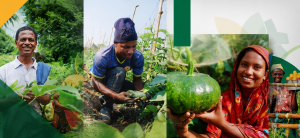
Across Africa, smallholder farmers play a vital role in producing the food that sustains households and local communities. Yet many farming families continue to face challenges related to productivity, access to quality inputs and knowledge, household nutrition, and reliable income opportunities. GetCare Foundation works with smallholder farmers and farming communities to strengthen food and vegetable production while connecting agriculture more directly with nutrition, household income and resilient rural livelihoods. Our approach supports farmers to improve production practices, diversify what they grow, strengthen access to knowledge and services, and increase the value households can derive from their farms. Vegetable production is particularly important because it can provide nutritious food for household consumption while creating opportunities for farmers to generate additional income from local markets.

Continue ReadingSupporting Farmers to Grow Better Food, Improve Nutrition and Strengthen Livelihoods

Threatened Species: A Critical Danger to Our Ecosystems and Our Future

Protecting biodiversity is not only about saving wildlife. It is about protecting the ecological systems that sustain food, water, climate resilience, livelihoods and human wellbeing. Across the world, biodiversity is declining at an alarming rate. Forests are being fragmented, wetlands degraded, wildlife habitats converted, and ecosystems placed under increasing pressure from agricultural expansion, extractive activities, infrastructure development, pollution, overexploitation and climate change. The consequences extend far beyond the disappearance of individual species. Every species exists within a wider ecological system. Plants, animals, fungi and microorganisms interact to pollinate crops, disperse seeds, regenerate forests, regulate pests, maintain soils, cycle nutrients and support the functioning of watersheds and landscapes.

Continue ReadingThreatened Species: A Critical Danger to Our Ecosystems and Our Future

Building Restoration Through Community Partnership: A Field Visit to Wassa

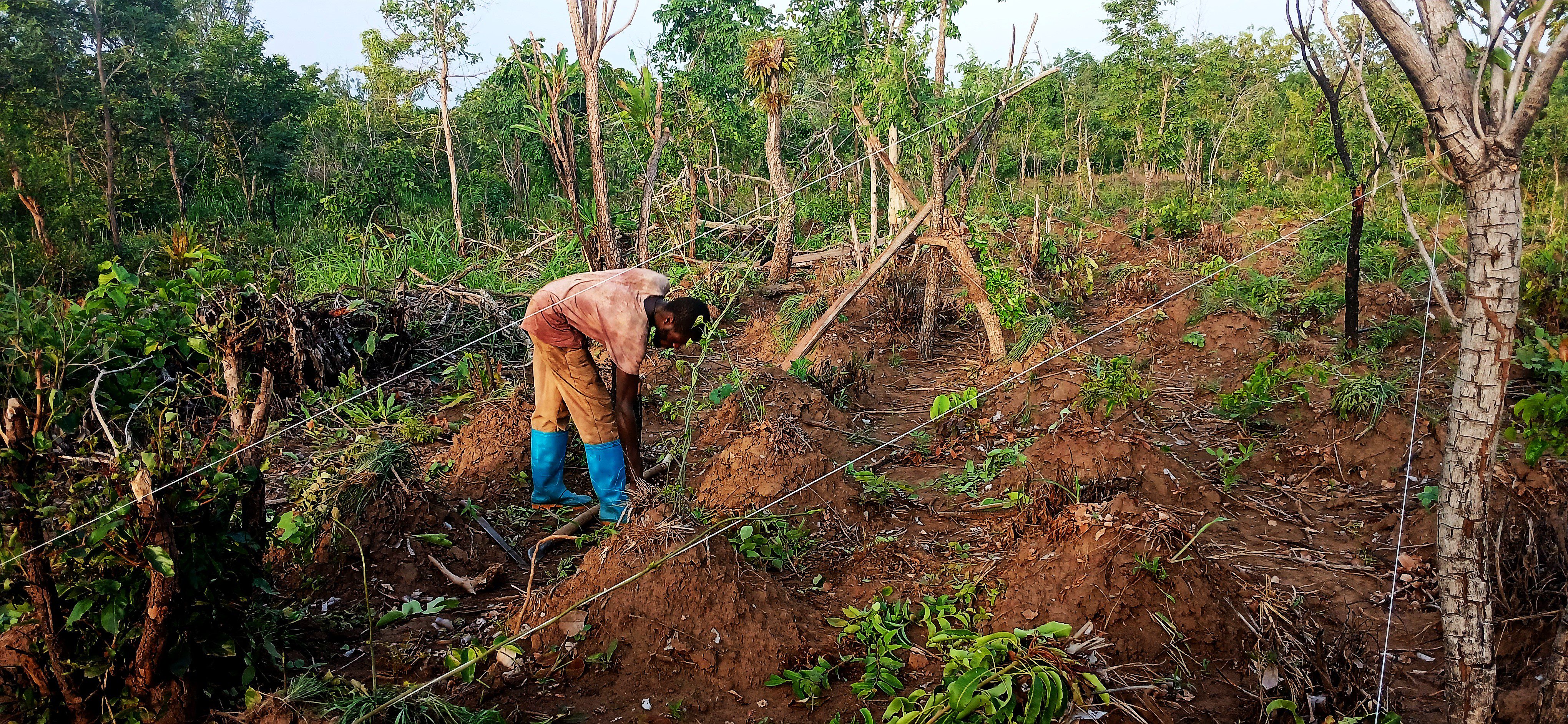
Landscape restoration is ultimately about people. While ecological assessments, scientific planning, and technical expertise are essential, lasting change depends on the willingness of local communities to become active partners in the restoration journey. During a recent field mission to Wassa under the RECLAIM Programme, the GetCare Foundation team met with Mr. Jonas, a local landowner who welcomed the team to his community and shared his interest in participating in the initiative. Following discussions on the programme's objectives, he expressed his willingness to explore making part of his land available as a demonstration site for future restoration activities.

Continue ReadingBuilding Restoration Through Community Partnership: A Field Visit to Wassa

Standing With Farmers Beyond the Harvest

Across rural communities, millions of smallholder farmers continue to feed families, sustain local economies, and contribute to national food security. Yet many still face significant challenges, including limited access to quality inputs, extension services, irrigation, financing, and reliable markets. This image captures more than a farmer in a field. It reflects the determination, resilience, and vision of countless farmers who work tirelessly despite uncertainty. Every season represents both opportunity and risk. A good harvest can transform livelihoods, while drought, pests, market failures, or inadequate support can push families deeper into poverty.

Continue ReadingStanding With Farmers Beyond the Harvest

Building Regeneration Deliberately, Consistently, and at Scale

Regeneration is not something we wait for. It is something we build — deliberately, consistently, and at scale. Across many rural landscapes, the conversation around restoration is often framed as a future goal: something to be pursued when the right funding arrives, when the right technology becomes available, or when institutions become stronger. But the reality is that regeneration begins much earlier than that. It begins when communities are engaged, when productive systems are strengthened, and when land is given the opportunity to recover through practical, coordinated action.

Continue ReadingBuilding Regeneration Deliberately, Consistently, and at Scale

Lifting Millions of Farmers Out of Poverty

At GetCare Foundation, we are working toward a clear and urgent goal: to support between 150,000 and 2 million smallholder farmers across Africa in building more resilient, productive, and market-connected livelihoods. Across many rural communities, smallholder farmers remain the backbone of food systems. Yet, despite their importance, they often operate within fragmented and under-supported systems — facing persistent challenges related to productivity, market access, organization, and long-term sustainability.

Continue ReadingLifting Millions of Farmers Out of Poverty

When Simple Tools Drive Real Change: Field Insights from Bono Region, Ghana

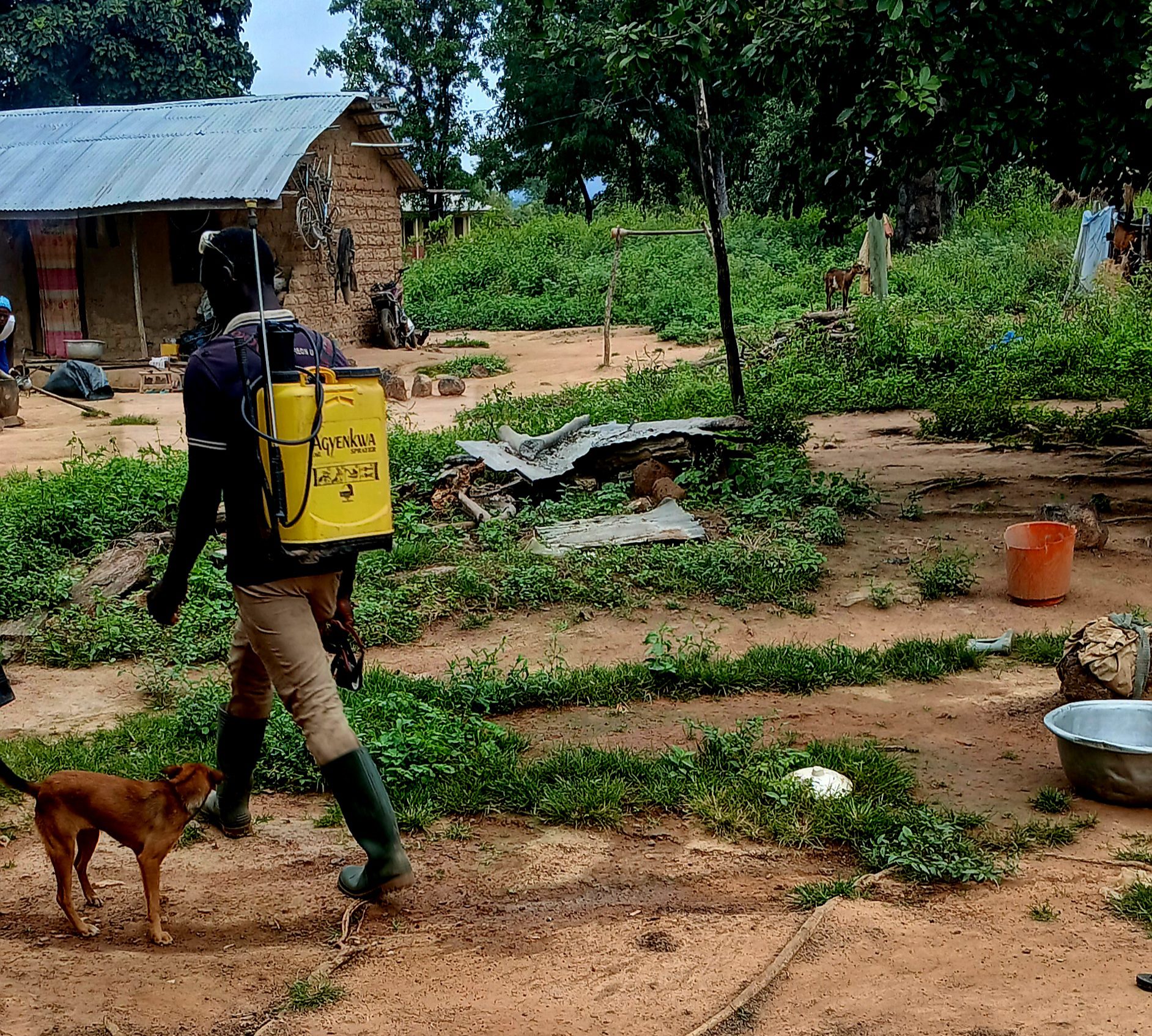
Agricultural transformation in rural communities is often discussed in terms of large-scale investments, advanced technologies, and complex systems. While these are important, field realities continue to demonstrate that meaningful change can also begin with simple, practical interventions. In many smallholder farming communities, productivity and livelihoods are constrained not only by access to markets or finance, but by the absence of basic tools and equipment required for efficient and safe farming.

Continue ReadingWhen Simple Tools Drive Real Change: Field Insights from Bono Region, Ghana

Why Rural Transport Systems Matter for Farmers

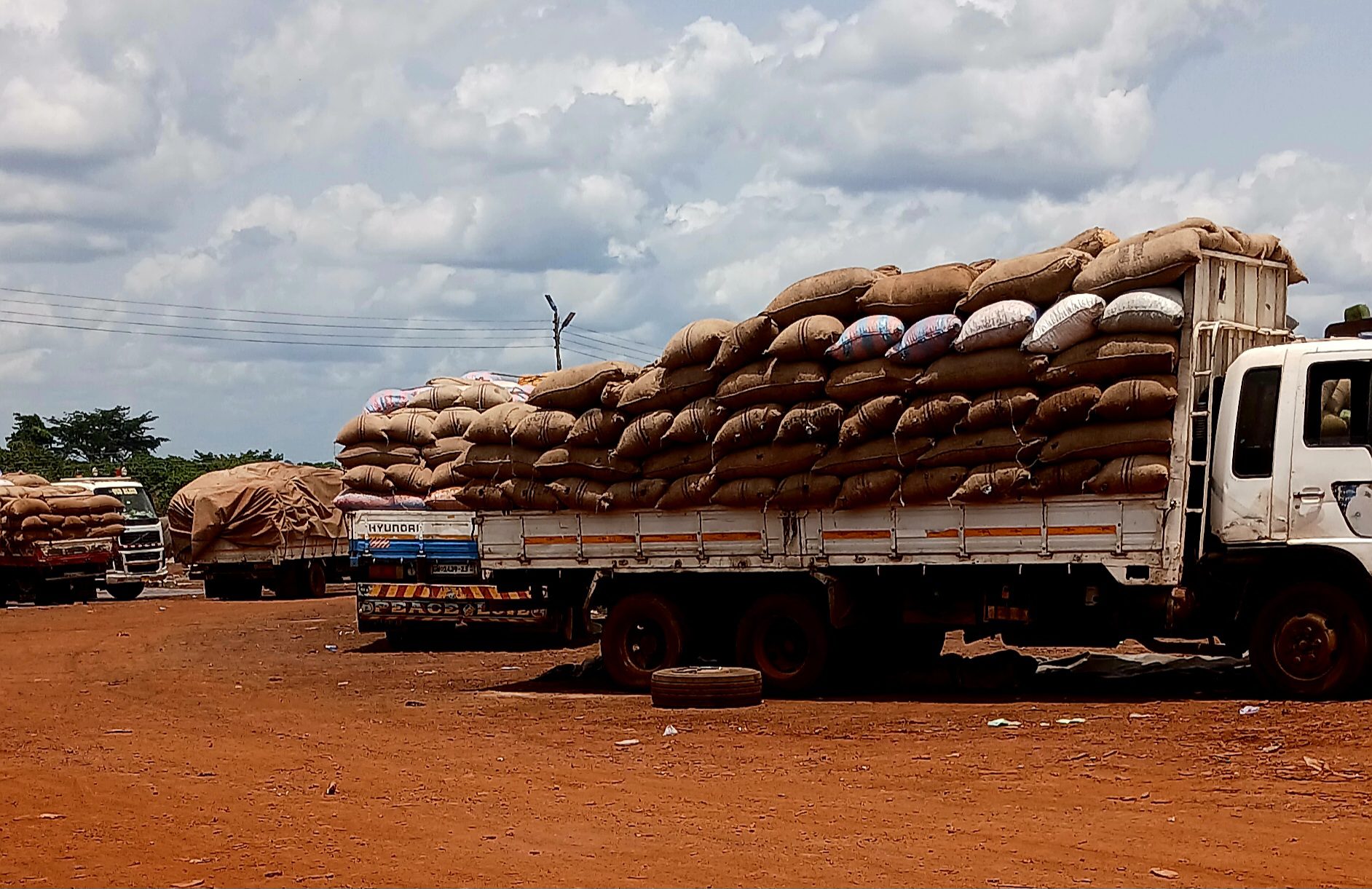
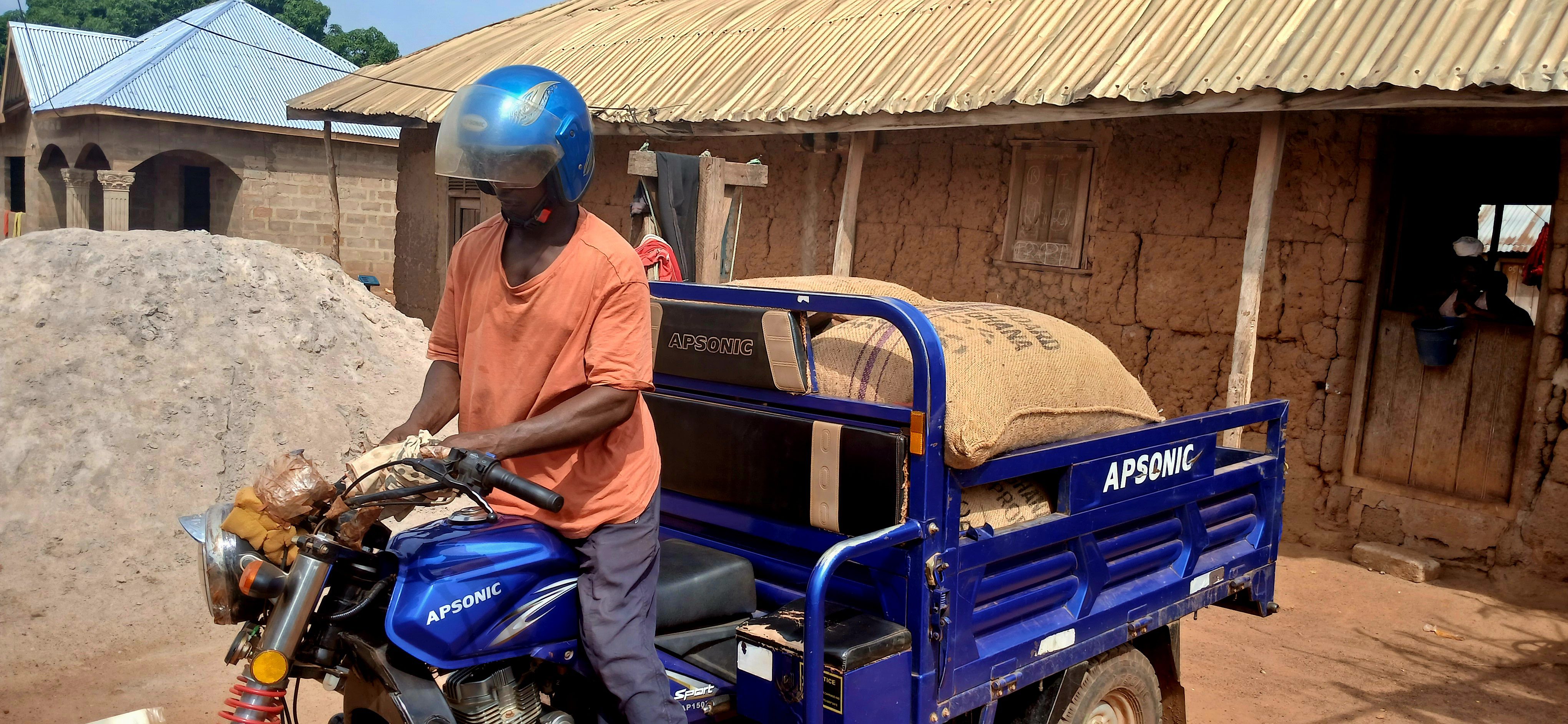
Agriculture is often discussed in terms of crop production, improved seeds, or farm inputs. Yet one of the most critical components of agricultural systems—particularly for smallholder farmers—is transportation. Without reliable transport systems, even productive farms can struggle to access markets and generate income. Across many rural communities, farmers face significant challenges moving their produce from farms to local markets or aggregation points. Poor road infrastructure, limited availability of transport services, and high transport costs can significantly reduce the profitability of farming activities.

Continue ReadingWhy Rural Transport Systems Matter for Farmers

Youth Employment in Rural Agricultural Value Chains

Agriculture remains one of the most important sources of employment across many rural regions of Africa. While farming itself provides livelihoods for millions of smallholder producers, agricultural value chains also generate additional employment opportunities in areas such as processing, aggregation, storage, and transportation. During recent field activities under the FAHAP (Farming Against Hunger and Poverty) program, GetCare Foundation observed the important role rural youth play in supporting agricultural value chains. Young people in several communities were engaged in transporting agricultural produce, loading crops onto vehicles, and assisting farmers in moving harvested produce to market aggregation points.

Continue ReadingYouth Employment in Rural Agricultural Value Chains

Rural Enterprise in Action: Women Farmers Building Local Value Chains

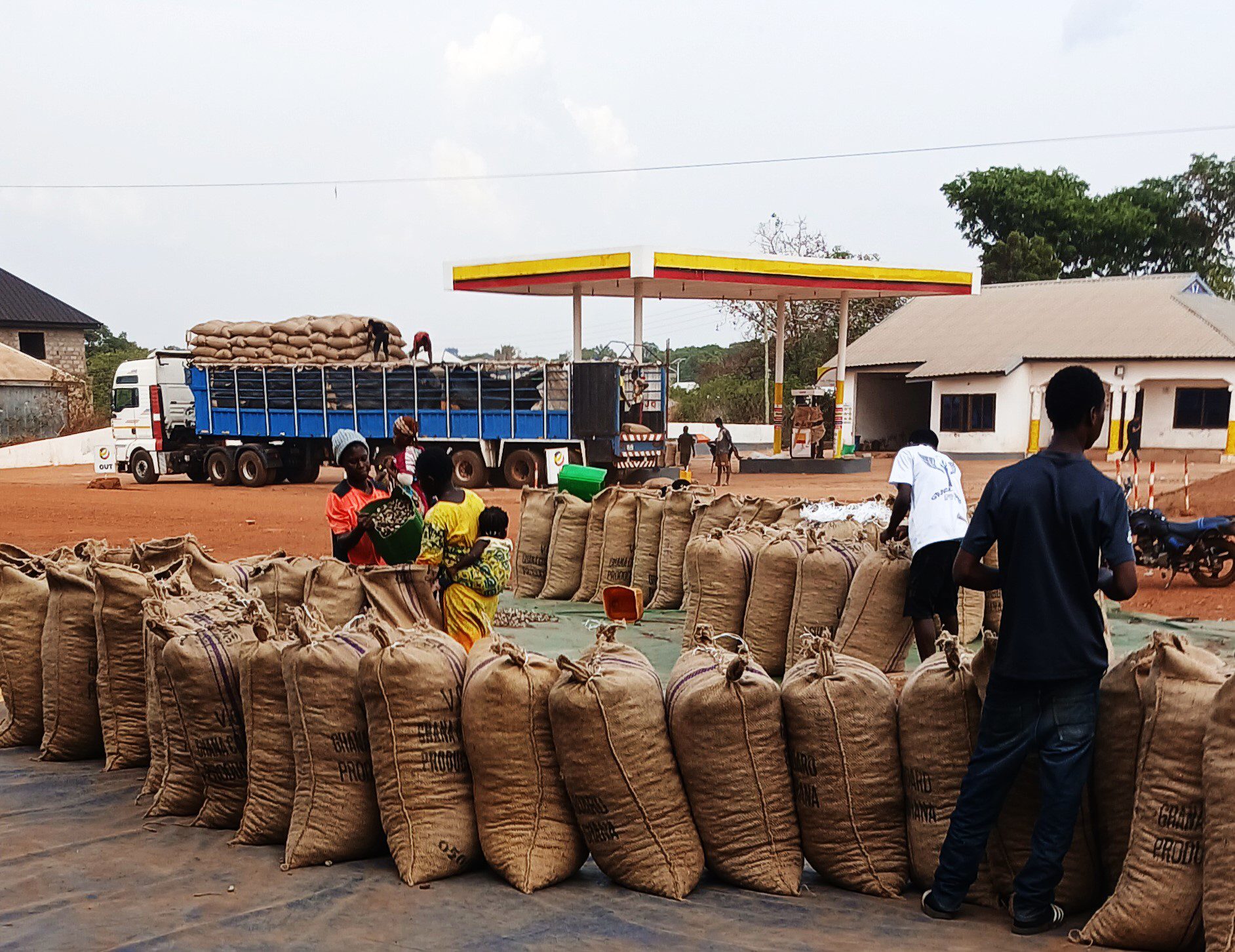
Across many rural communities in Ghana, agriculture remains the backbone of local economies. Beyond crop production, smallholder farming systems support a wide range of activities that generate income and employment within communities. When these activities are strengthened through organized value chains, they create opportunities for rural enterprise development. During recent field activities under the FAHAP (Farming Against Hunger and Poverty) program, women farmers organized themselves into small groups to dry and prepare cashew for market. The activity illustrates how relatively simple processing steps can contribute to stronger agricultural value chains and improved income opportunities for smallholder producers.

Continue ReadingRural Enterprise in Action: Women Farmers Building Local Value Chains

Greener Energy for Greener Farms: How Solar Power Is Transforming Rural Agriculture

Across many rural communities in Ghana, nightfall used to signal the end of all activity. In places like Kintampo, farmers wrapped up their day early due to unreliable electricity, and critical farming operations—irrigation, drying, storage—were constrained by high fuel costs and frequent shortages. Today, however, the soft hum of solar-powered systems signals a new era. Renewable energy is quietly reshaping how smallholder farmers work, produce, and thrive.

Continue ReadingGreener Energy for Greener Farms: How Solar Power Is Transforming Rural Agriculture

Pesticide Without Poison: How Farmers Are Turning to Natural Solutions – Case Study of GetCare Foundation’s FAHAP Farmers

Across rural Ghana, smallholder farmers have long relied on synthetic pesticides and herbicides to protect their crops. While these inputs provide short-term relief from pests, global evidence increasingly shows that they can also degrade soils, contaminate water sources, and pose health risks when misused. According to the FAO, over 30% of pesticides used in low-income countries are estimated to be counterfeited or improperly labeled, heightening the risk of toxicity among farmers and consumers. At the same time, the World Bank reports that poor pesticide handling contributes to nearly 300,000 acute poisoning deaths annually, with smallholder farmers the most vulnerable. In response, GetCare Foundation—through the Farming Against Hunger and Poverty (FAHAP) Program—is championing a safer, more sustainable alternative: organic pest management.

Continue ReadingPesticide Without Poison: How Farmers Are Turning to Natural Solutions – Case Study of GetCare Foundation’s FAHAP Farmers

Healthy Harvests: Why Organic Crops Earn More in Local and International Markets

Across Ghana and much of West Africa, conversations about farm profitability often begin and end with yield. Yet a growing body of evidence shows that competitiveness in today’s markets is shaped not only by how much farmers produce, but how they produce it. As global demand for safe, nutritious, and sustainably grown foods rises, organic agriculture is quickly becoming one of the most valuable pathways for farmer income growth. According to FAO (2023), the global organic food market is expanding at an annual rate of 8–10%, driven by consumers who are increasingly concerned about chemical residues, environmental degradation, and long-term health impacts.

Continue ReadingHealthy Harvests: Why Organic Crops Earn More in Local and International Markets

Prioritizing Soil Testing in Farming: A Lever for Agricultural Productivity Improvement

Healthy soils are the foundation of productive agriculture, yet many farmers continue to plant without knowing the true condition of their soils. This guesswork often results in low yields, nutrient deficiencies, poor crop performance, and unnecessary input costs. Prioritizing soil testing is one of the most effective and affordable steps farmers can take to improve productivity and long-term soil health. At GetCare Foundation, our extension officers regularly find that many farmlands suffer from nutrient depletion caused by continuous cropping, bush burning, and improper fertilizer use. Soil testing provides farmers with accurate information on soil pH, organic matter, nitrogen, phosphorus, potassium, and micronutrient levels—enabling them to apply the right fertilizers, at the right rate, and at the right time.

Continue ReadingPrioritizing Soil Testing in Farming: A Lever for Agricultural Productivity Improvement

The Downside Effects of Inorganic Chemicals in Farming and the Implications on West Africa’s Food Security

West Africa has one of the fastest-growing populations in the world, projected to reach over 540 million people by 2050 (UN DESA). Ensuring reliable, affordable, and nutritious food for this expanding population remains a critical challenge. For decades, governments and development partners have promoted inorganic agrochemicals—synthetic fertilizers, pesticides, and herbicides—as the quickest pathway to boost yields, close food deficits, and modernize agriculture.

Continue ReadingThe Downside Effects of Inorganic Chemicals in Farming and the Implications on West Africa’s Food Security