
Transforming Rural Communities Through Systems Change
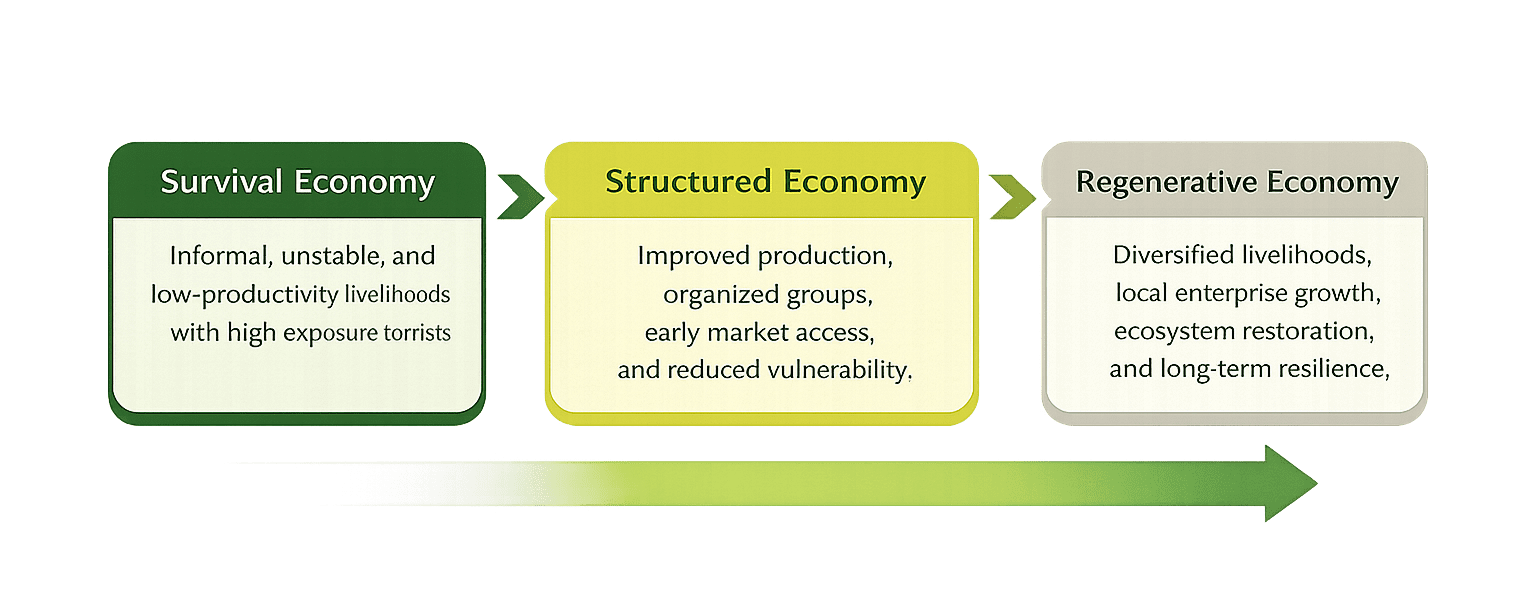
Community meets basic need through smallholder production, often facing high vulnerability, low incomes and limited services.

Stronger farmer organization, improved infrastructure, and better market access create more stable incomes and expanded economy.

Productive landscapes, healthy ecosystems, and inclusive enterprises create resilient communities that prosper for generations.
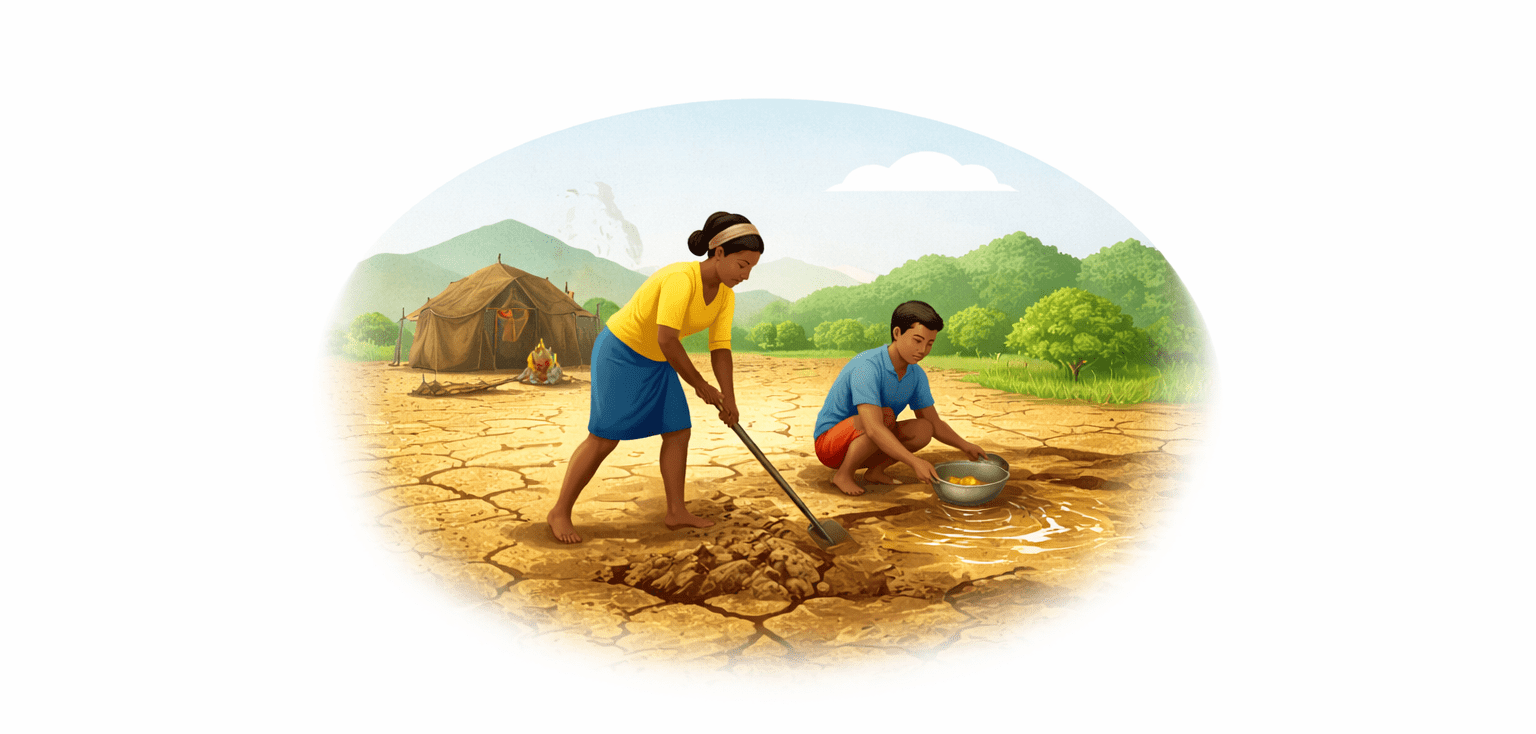
Low-income, informal, and unstable economic activities keep households vulnerable.

Farmers and producers often lack structured access to profitable markets.
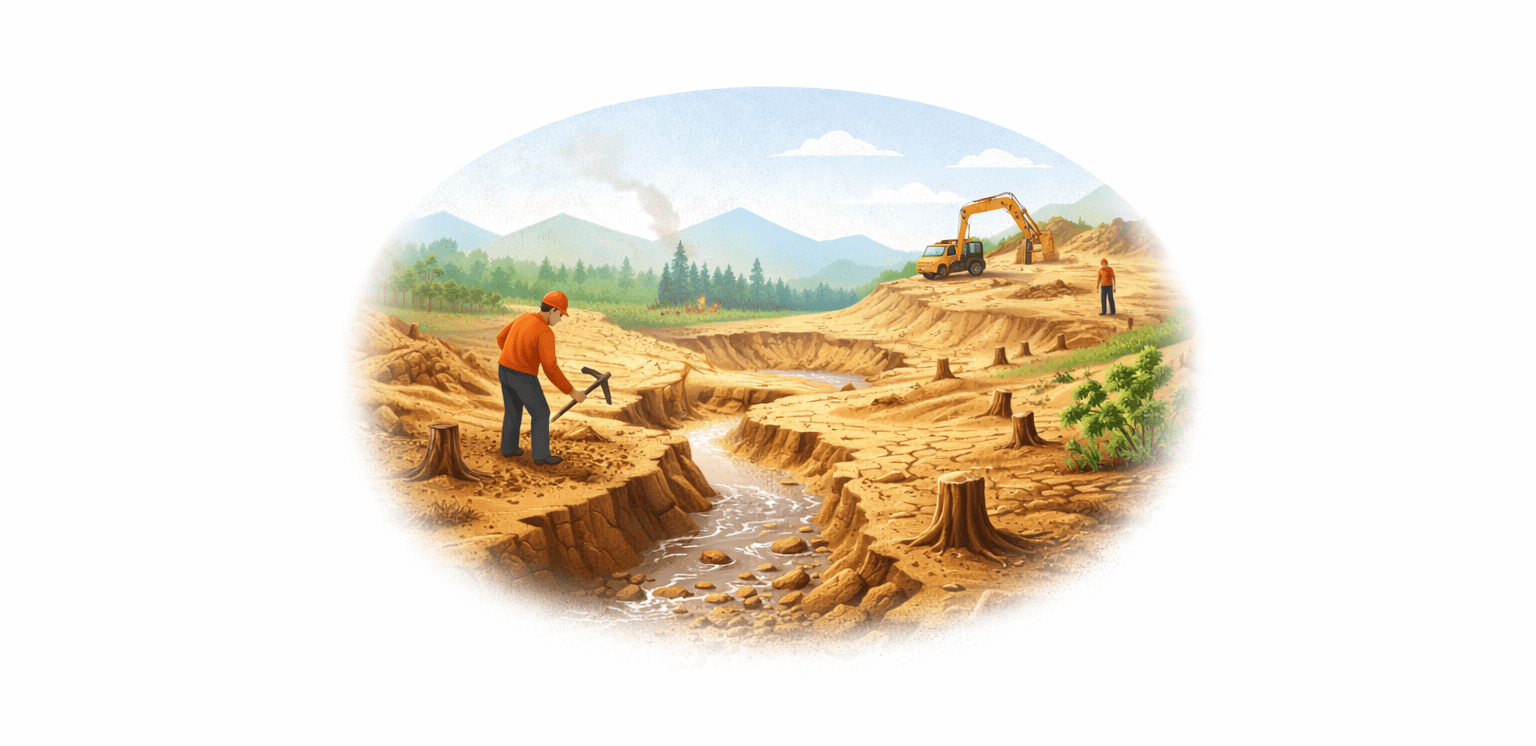
Unsustainable land use and extractive practices reduce long-term productivity and resilience.
How RETS Works
Our five core implementation modules of the RETS framework

We organize farmers and local actors into structured groups, cooperatives, and networks. This improves coordination, inclusion, and access to finance, training, and markets.
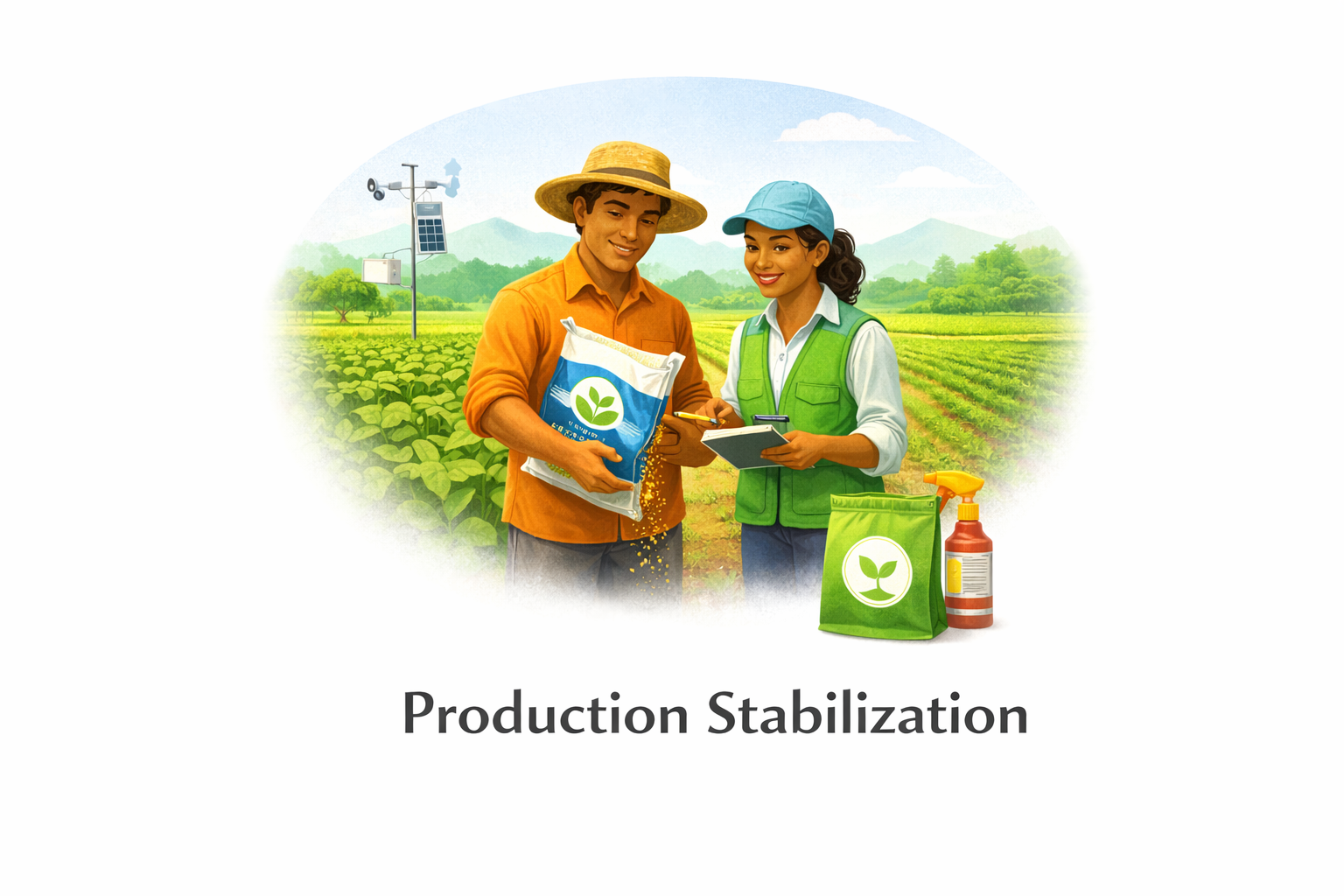
We strengthen agricultural productivity through quality inputs, climate-smart practices, and extension support. This ensures consistent yields, reduces risk, and builds reliable income for farmers.

We connect producers to structured markets through aggregation, buyer linkages, and market intelligence. This transforms farming into a profitable, predictable, and market-driven activity.

We support the development of rural businesses in processing, logistics, and input supply. This creates jobs, increases local value addition, and strengthens rural economies.

We provide pathways for communities to shift from unsustainable activities to regenerative livelihoods. This restores ecosystems while securing long-term, sustainable income sources.

RETS in Action
Our Program Arms: How We Apply RETS
Production stabilisation, farmer support, food systems, and market access.

Ecosystem restoration, alternative livelihoods, agroforestry, and inclusive Natural Resource Management.

Human capital development, applied learning, and next-generation leadership.
Enabling Approaches & Capabilities
RETS is supported by a set of enabling approaches and institutional capabilities that allow GetCare to translate systems thinking into practical implementation.



Collaborate with GetCare Foundation to advance regenerative agriculture, restore landscapes, strengthen climate resilience and create lasting livelihood opportunities for rural communities across Ghana and West Africa.