
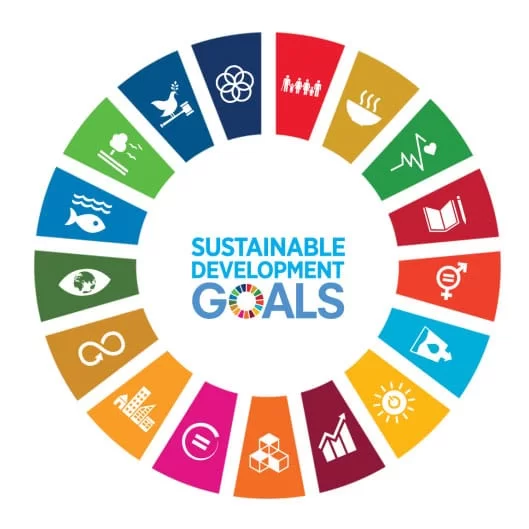
The Sustainable Development Goals (SDGs), adopted by the United Nations in 2015, are a set of 17 interconnected global goals designed to serve as a roadmap for creating a better and more sustainable world for all by 2030.
Our Contribution to the Sustainable Development Goals (SDGs)
Our work contributes directly and indirectly to eight of the Sustainable Development Goals (SDGs) including the following;
We support the transition of rural communities from informal survival economies into structured, market-linked systems by strengthening local enterprises, improving access to markets, and unlocking the economic potential of natural resources. This creates sustainable jobs, increases incomes, and reduces vulnerability.
We strengthen food systems by supporting the transition from subsistence production to structured, market-linked agriculture. Through productivity improvement, value chain development, post-harvest management, and sustainable land-use practices, we enhance food security, resilience, and long-term system stability.
We support the integration of women into structured, market-linked economic systems by expanding access to resources, strengthening skills, and promoting leadership in value chains and local enterprises. This enhances economic participation, income generation, and social inclusion.
We support the transition from informal and vulnerable livelihoods into structured, market-linked economic activities by strengthening local enterprises, building skills, and improving market access. This creates decent work, increases incomes, and drives inclusive economic growth in rural communities.
We support the transition to responsible production and consumption systems by improving resource efficiency, strengthening value chains, and reducing losses across production and post-harvest stages. Through sustainable land-use practices and market integration, we promote environmentally responsible and economically viable systems.
We support climate action by transforming land-use systems and restoring ecosystems through climate-smart and regenerative practices. By integrating agroforestry, soil restoration, and nature-based solutions, we enhance carbon sequestration, reduce emissions, and strengthen climate resilience across communities and landscapes.

We restore ecosystems and transform land-use systems by rehabilitating degraded landscapes, protecting biodiversity, and promoting sustainable land management practices. Through agroforestry and nature-based solutions, we enhance ecosystem resilience, strengthen carbon sinks, and support long-term environmental sustainability.
We build strategic partnerships with governments, development organizations, research institutions, and the private sector to scale impact. Through collaboration, we mobilize resources, co-create solutions, share knowledge, and replicate effective models across regions and contexts.