Youth Employment in Rural Agricultural Value Chains
Agriculture remains one of the most important sources of employment across many rural regions of Africa. While farming itself provides livelihoods for millions of smallholder producers, agricultural value chains also generate additional employment opportunities in areas such as processing, aggregation, storage, and transportation.
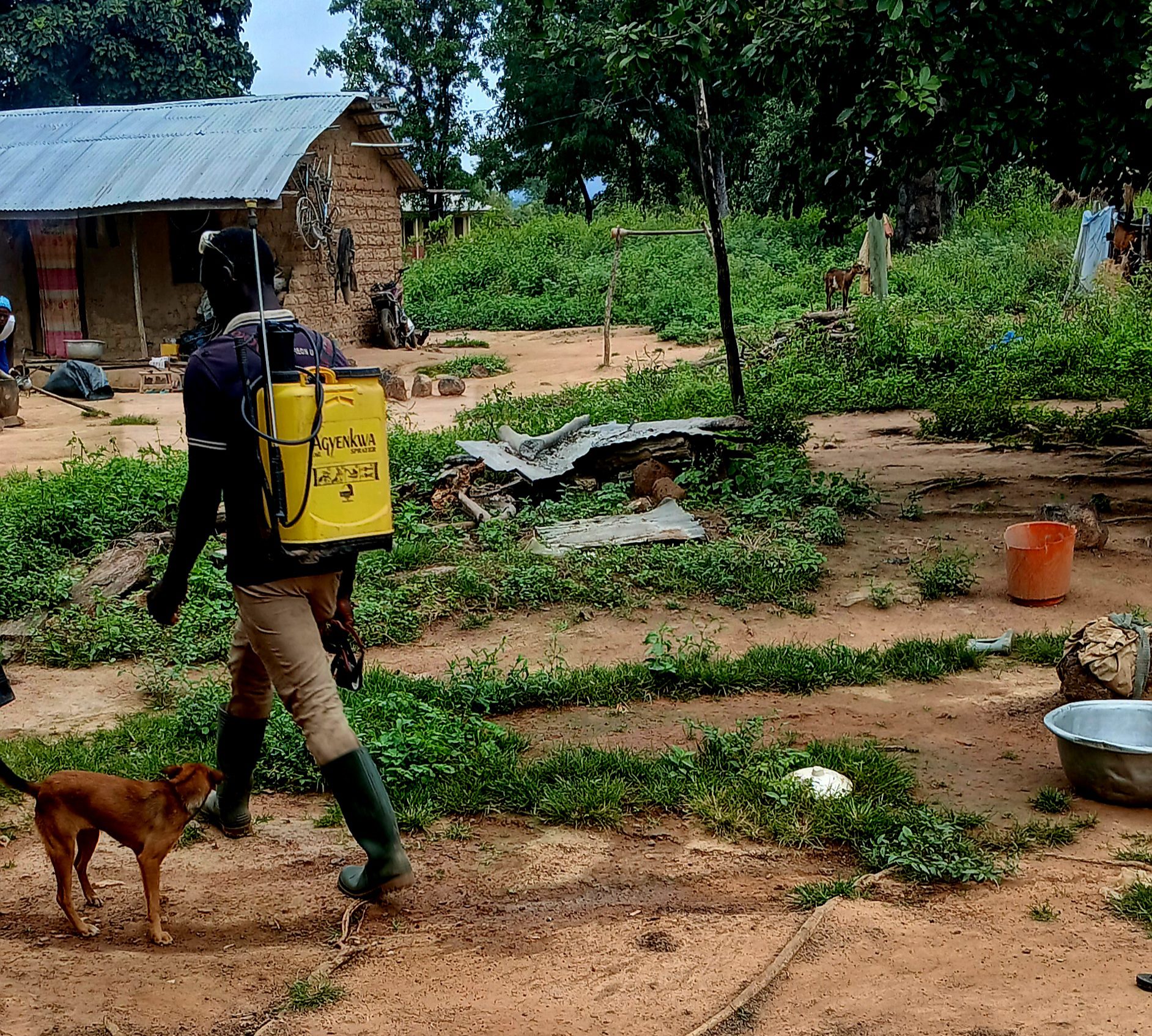
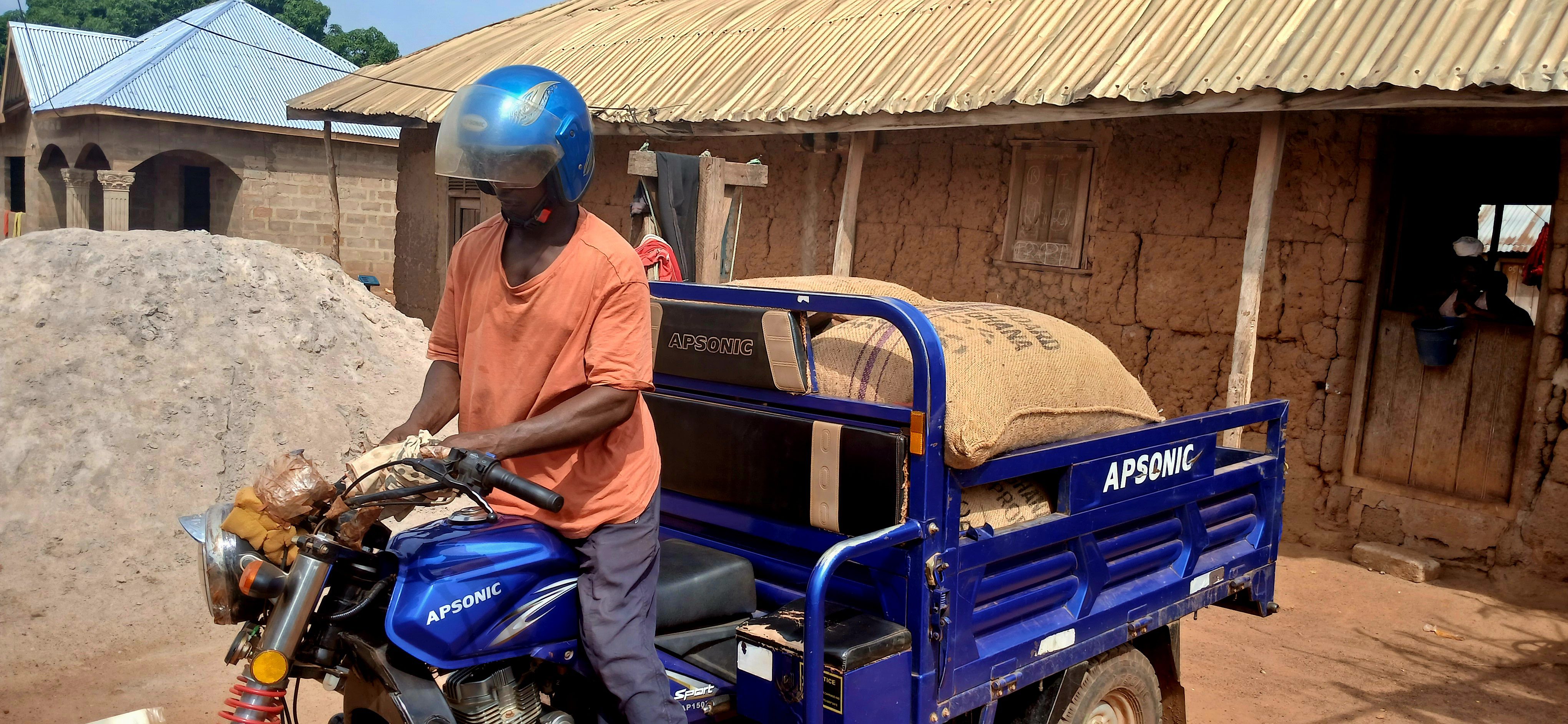
During recent field activities under the FAHAP (Farming Against Hunger and Poverty) program, GetCare Foundation observed the important role rural youth play in supporting agricultural value chains. Young people in several communities were engaged in transporting agricultural produce, loading crops onto vehicles, and assisting farmers in moving harvested produce to market aggregation points.
Agriculture as a Source of Rural Employment
According to the International Labour Organization (ILO), agriculture remains one of the largest sources of employment in Sub-Saharan Africa, particularly for young people in rural areas. Strengthening agricultural value chains therefore represents an important pathway for expanding rural employment opportunities.
Reference: https://www.ilo.org
Beyond farm production, value chain activities such as logistics, aggregation, and market distribution play a critical role in ensuring agricultural products reach consumers efficiently.
Youth Participation in Value Chain Logistics
In many rural communities, youth participate actively in seasonal transport services, crop aggregation, and loading operations during harvest periods. These activities support farmers by helping move produce quickly from farms to markets or collection centers.
Such roles contribute to rural economic activity while also providing income opportunities for young people who may otherwise face limited employment prospects in rural areas.

Strengthening Rural Enterprise Systems
Agricultural development programs increasingly recognize the importance of strengthening entire value chains rather than focusing only on crop production. By supporting systems that link farmers to markets, programs can create additional economic opportunities for different actors within rural communities.
Through FAHAP, GetCare Foundation aims to support agricultural systems that integrate farmer productivity, cooperative organization, and market access pathways. When these systems function effectively, they help build stronger rural enterprise ecosystems capable of generating employment and income.
FAHAP and Rural Livelihood Development
The FAHAP program supports smallholder farmers through training, farmer mobilization, and market access initiatives designed to strengthen agricultural productivity and value chains. As these systems grow, they create opportunities not only for farmers but also for youth and other community members involved in agricultural logistics and enterprise activities.
By strengthening rural value chains, agricultural programs can contribute both to improved farm incomes and broader rural employment opportunities.