
Articles on resilient farming practices that adapt to climate change impacts.
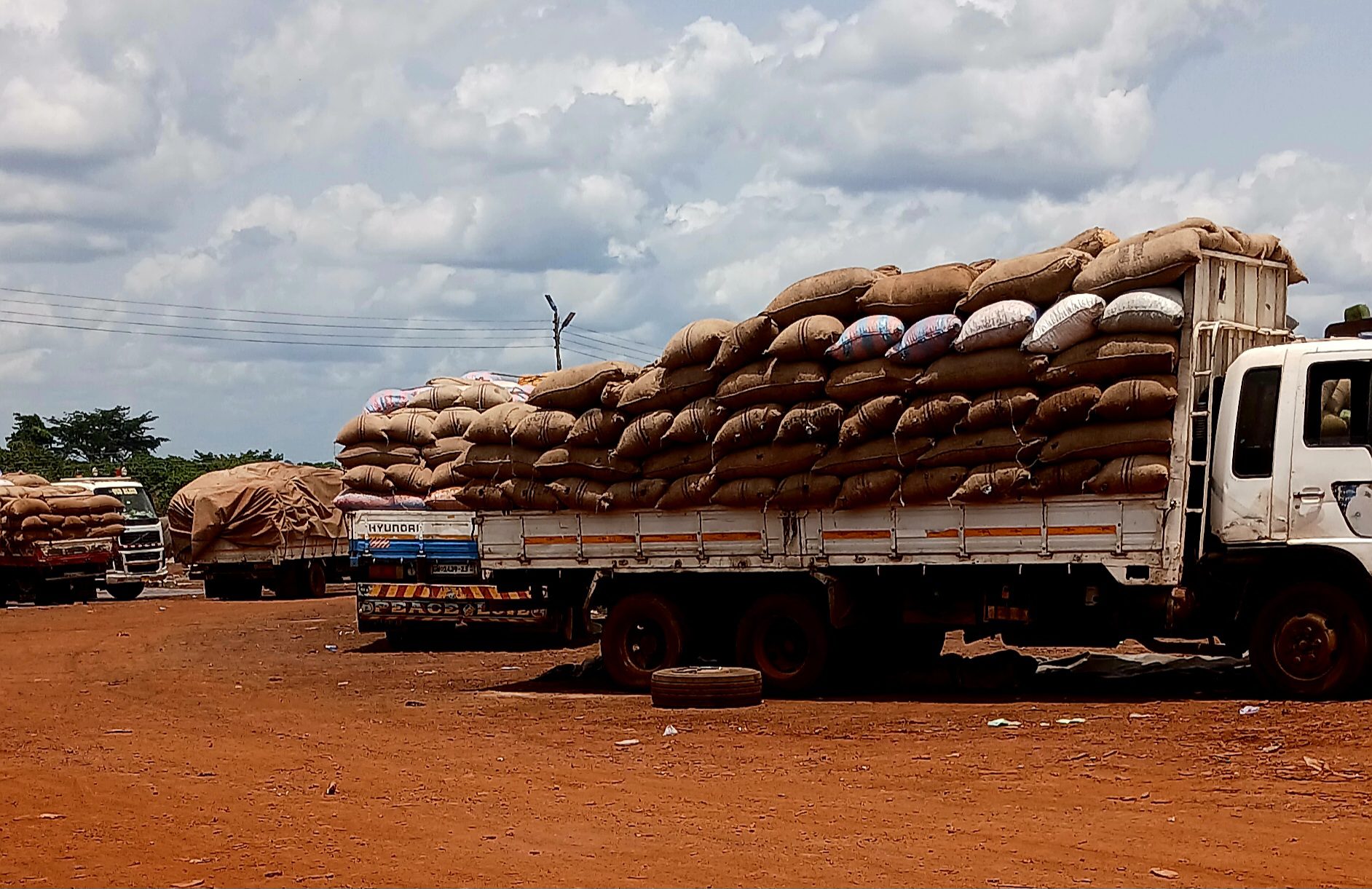
Why Rural Transport Systems Matter for Farmers
Agriculture is often discussed in terms of crop production, improved seeds, or farm inputs. Yet one of the most critical components of agricultural systems—particularly for smallholder farmers—is transportation. Without reliable transport systems, even productive farms can struggle to access markets and generate income. Across many rural communities, farmers face significant challenges moving their produce from farms to local markets or aggregation points. Poor road infrastructure, limited availability of transport services, and high transport costs can significantly reduce the profitability of farming activities.
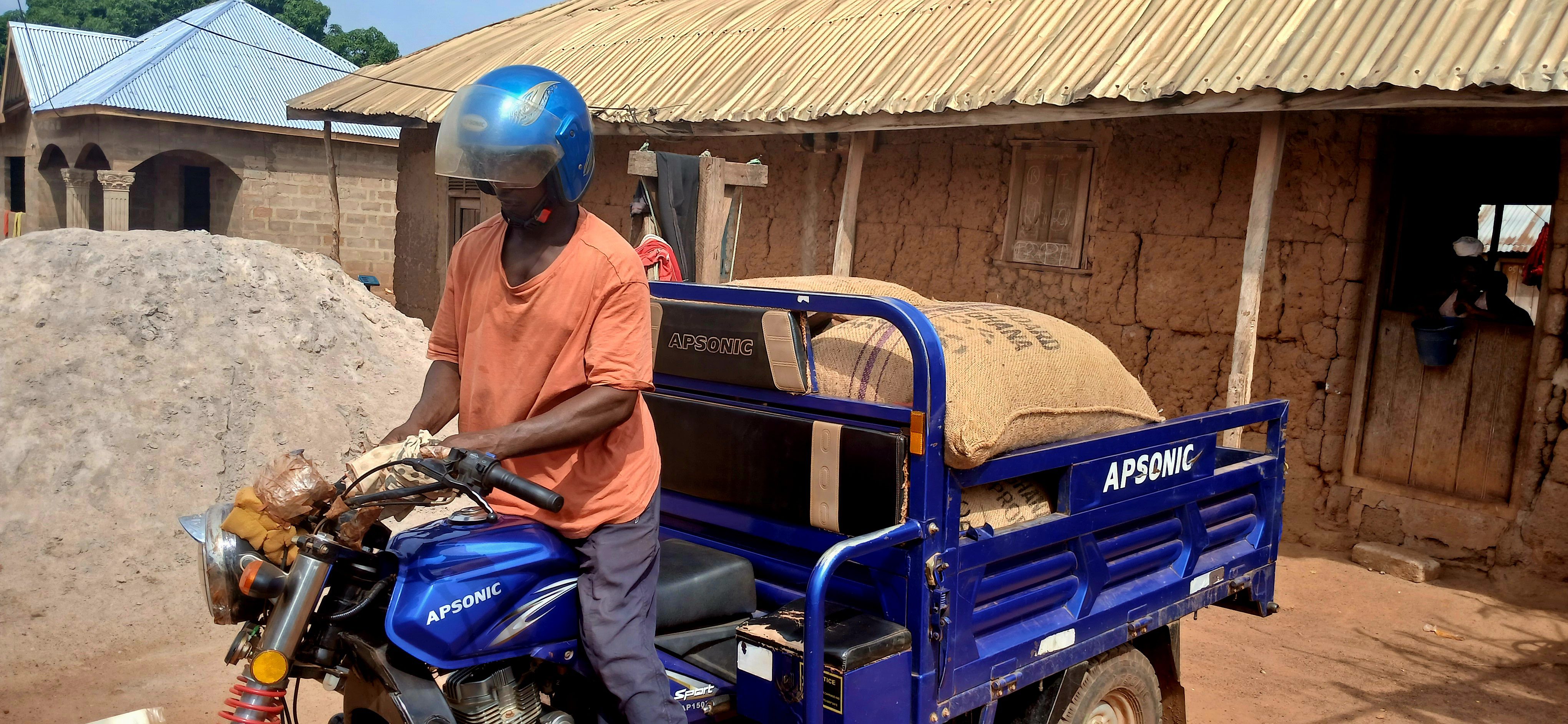
Youth Employment in Rural Agricultural Value Chains
Agriculture remains one of the most important sources of employment across many rural regions of Africa. While farming itself provides livelihoods for millions of smallholder producers, agricultural value chains also generate additional employment opportunities in areas such as processing, aggregation, storage, and transportation. During recent field activities under the FAHAP (Farming Against Hunger and Poverty) program, GetCare Foundation observed the important role rural youth play in supporting agricultural value chains. Young people in several communities were engaged in transporting agricultural produce, loading crops onto vehicles, and assisting farmers in moving harvested produce to market aggregation points.
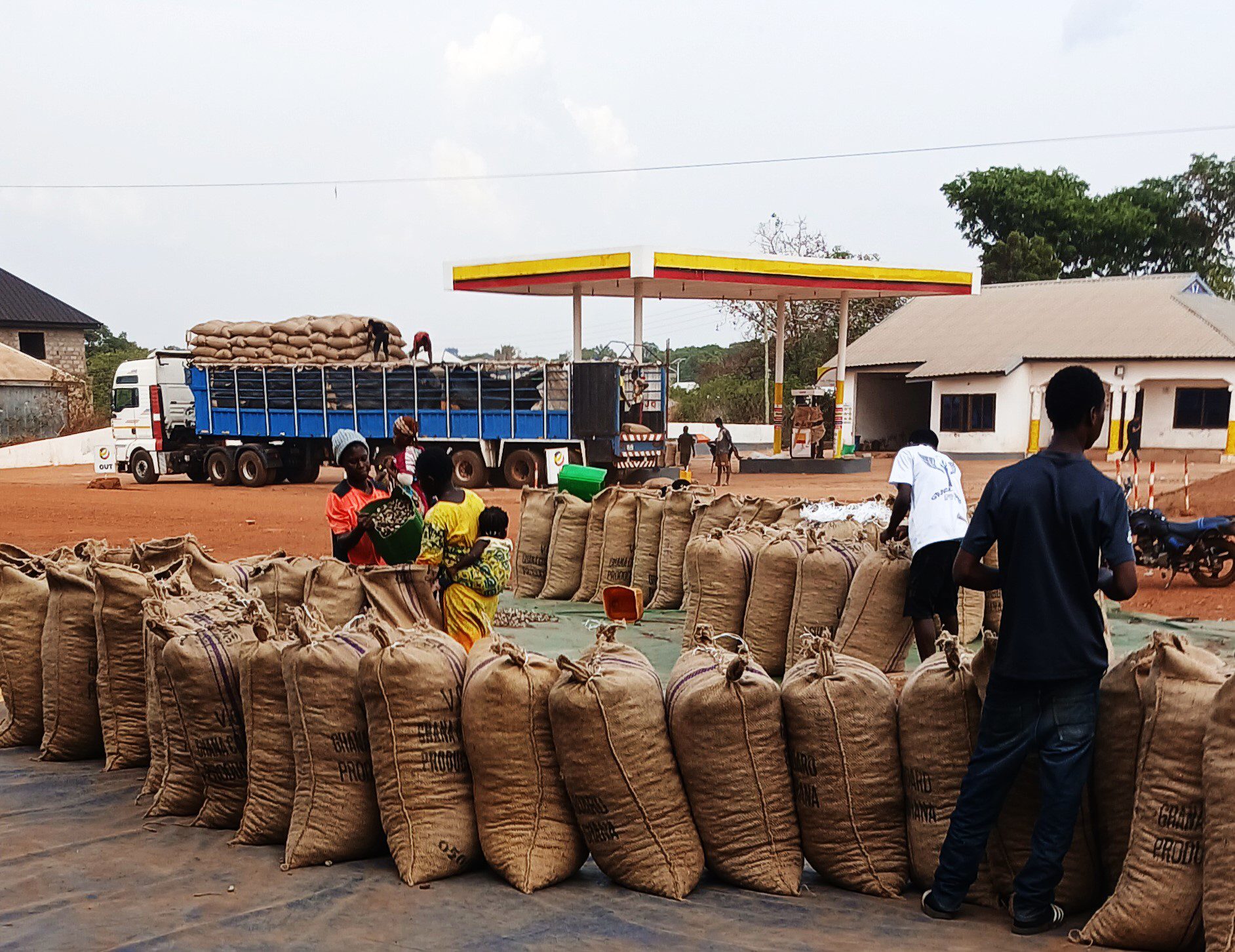
Rural Enterprise in Action: Women Farmers Building Local Value Chains
Across many rural communities in Ghana, agriculture remains the backbone of local economies. Beyond crop production, smallholder farming systems support a wide range of activities that generate income and employment within communities. When these activities are strengthened through organized value chains, they create opportunities for rural enterprise development. During recent field activities under the FAHAP (Farming Against Hunger and Poverty) program, women farmers organized themselves into small groups to dry and prepare cashew for market. The activity illustrates how relatively simple processing steps can contribute to stronger agricultural value chains and improved income opportunities for smallholder producers.

Greener Energy for Greener Farms: How Solar Power Is Transforming Rural Agriculture
Across many rural communities in Ghana, nightfall used to signal the end of all activity. In places like Kintampo, farmers wrapped up their day early due to unreliable electricity, and critical farming operations—irrigation, drying, storage—were constrained by high fuel costs and frequent shortages. Today, however, the soft hum of solar-powered systems signals a new era. Renewable energy is quietly reshaping how smallholder farmers work, produce, and thrive.