Rural Enterprise in Action: Women Farmers Building Local Value Chains
Across many rural communities in Ghana, agriculture remains the backbone of local economies. Beyond crop production, smallholder farming systems support a wide range of activities that generate income and employment within communities. When these activities are strengthened through organized value chains, they create opportunities for rural enterprise development.
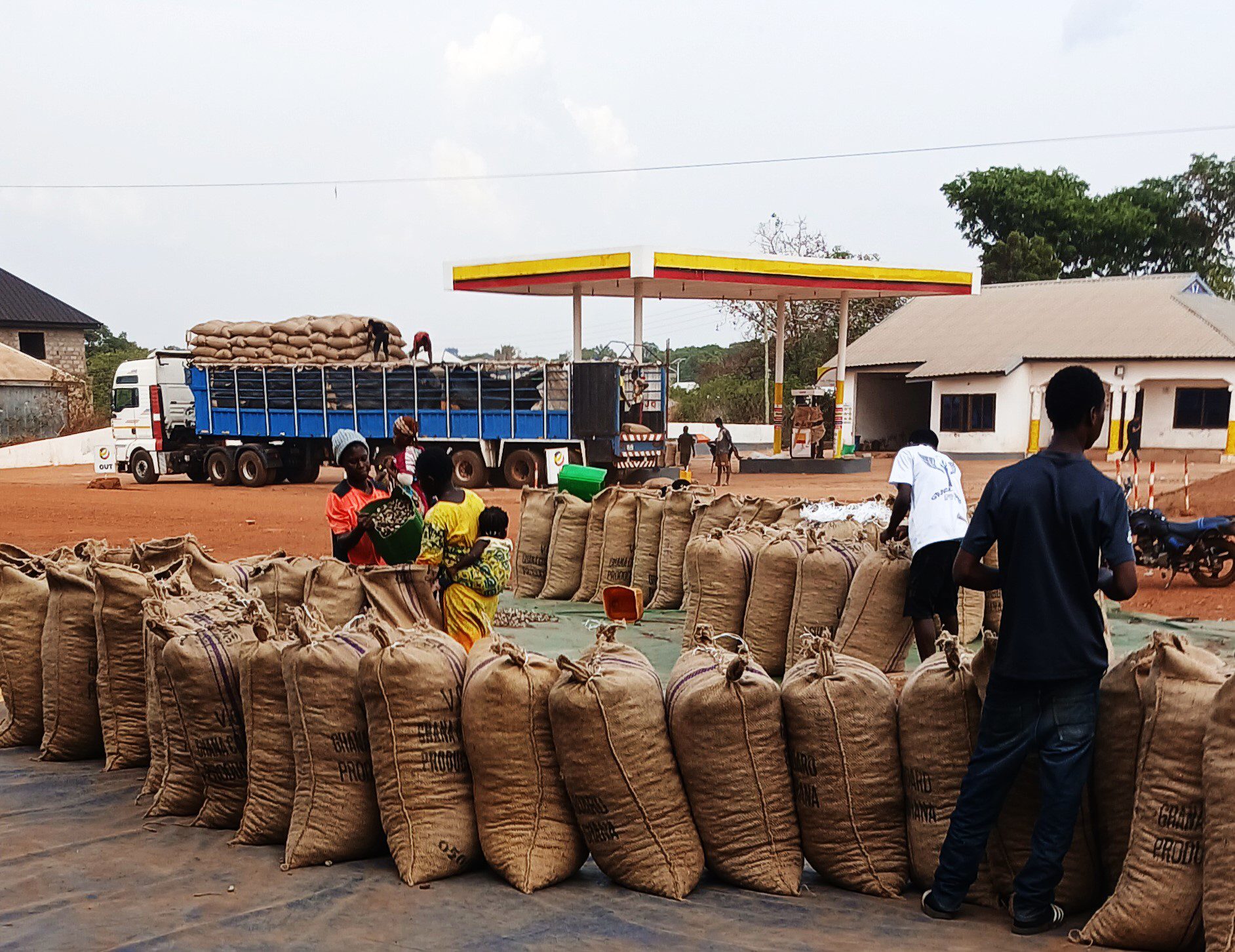
During recent field activities under the FAHAP (Farming Against Hunger and Poverty) program, women farmers organized themselves into small groups to dry and prepare cashew for market. The activity illustrates how relatively simple processing steps can contribute to stronger agricultural value chains and improved income opportunities for smallholder producers.
Strengthening Value Chains at the Community Level
Post-harvest handling plays an important role in determining the quality and marketability of agricultural produce. According to the Food and Agriculture Organization (FAO), improved post-harvest management practices can significantly reduce losses and enhance product quality, allowing farmers to capture greater value from their harvests.
(Reference: https://www.fao.org)
Drying cashew nuts properly ensures that the product meets quality requirements demanded by buyers and processors. When farmers are able to organize collectively around such activities, they improve both efficiency and bargaining power within local markets.
Women as Drivers of Rural Enterprise
Women play a central role in many agricultural value chains across Africa. Studies by the World Bank highlight that women constitute a large proportion of the agricultural workforce in Sub-Saharan Africa and are often deeply involved in post-harvest processing, marketing, and household food security.
(Reference: https://www.worldbank.org)
By organizing into small groups for processing activities, women farmers are able to strengthen cooperation and build informal enterprise systems within their communities. These activities not only improve household income but also contribute to broader rural economic development.
Youth Employment Opportunities
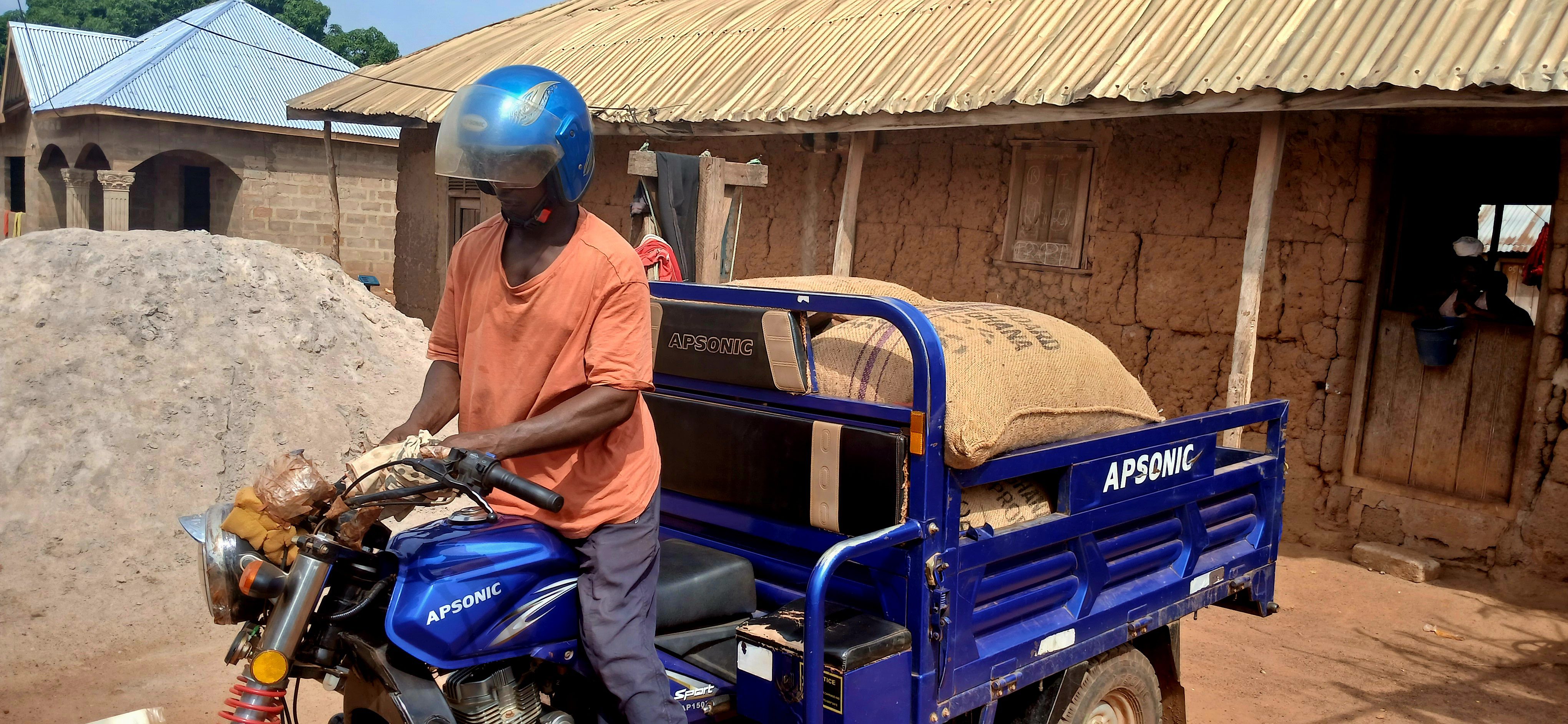
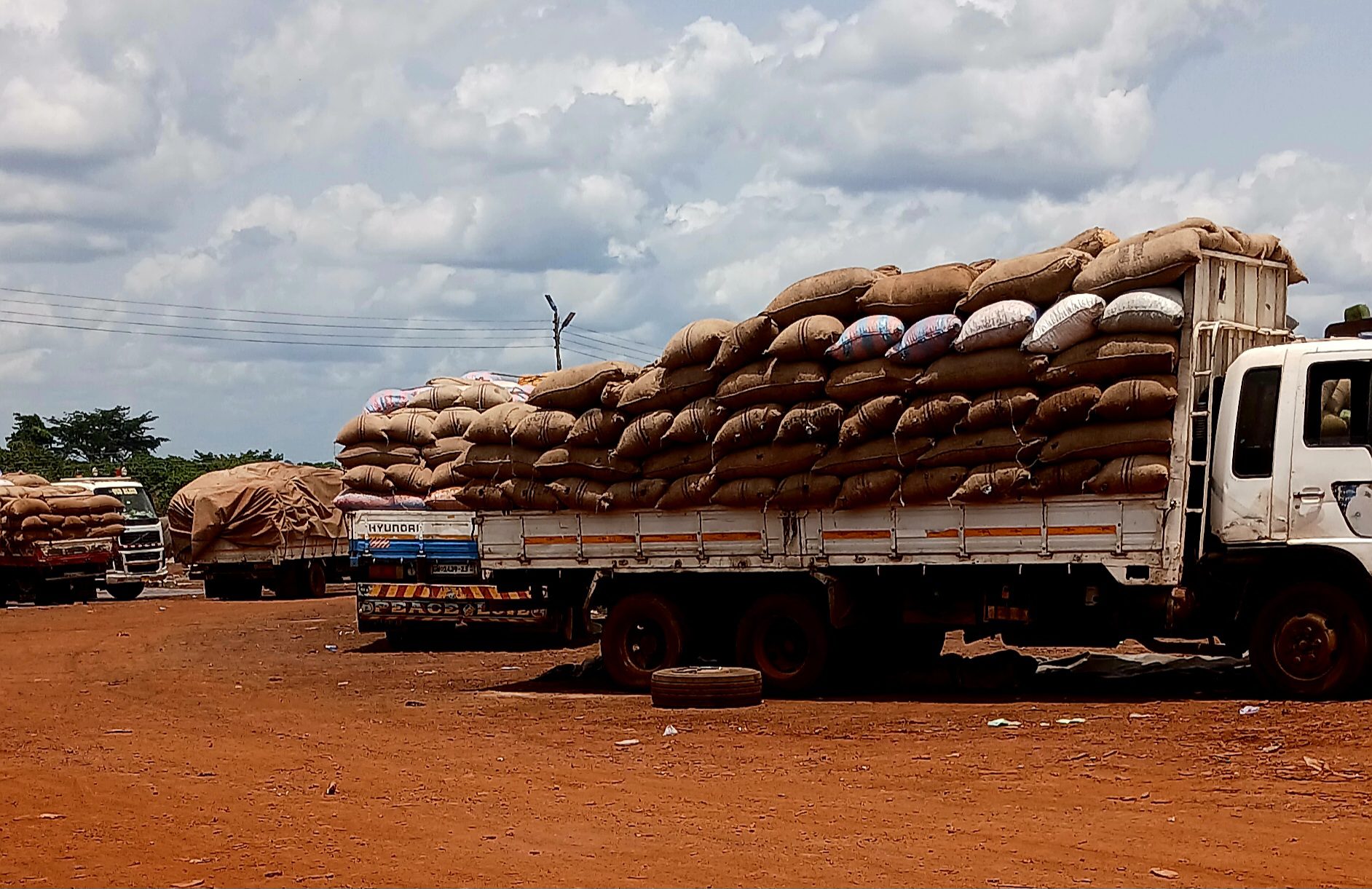
Agricultural value chains also create opportunities for rural youth. During the cashew harvest period, local youth were engaged in activities such as loading produce, aggregation, and transport services. These roles, though seasonal, contribute to local employment and demonstrate how agriculture can support broader rural enterprise systems. Supporting such linkages between farmers, processors, and transport services is essential for building resilient rural economies.
FAHAP and Rural Livelihoods
The FAHAP program implemented by GetCare Foundation focuses on strengthening agricultural productivity while improving access to markets for smallholder farmers. By combining training, cooperative formation, and market linking, the program aims to help rural communities develop sustainable agricultural enterprises.
As these local value chains continue to grow, they create pathways for improved incomes, stronger rural markets, and more resilient farming communities.