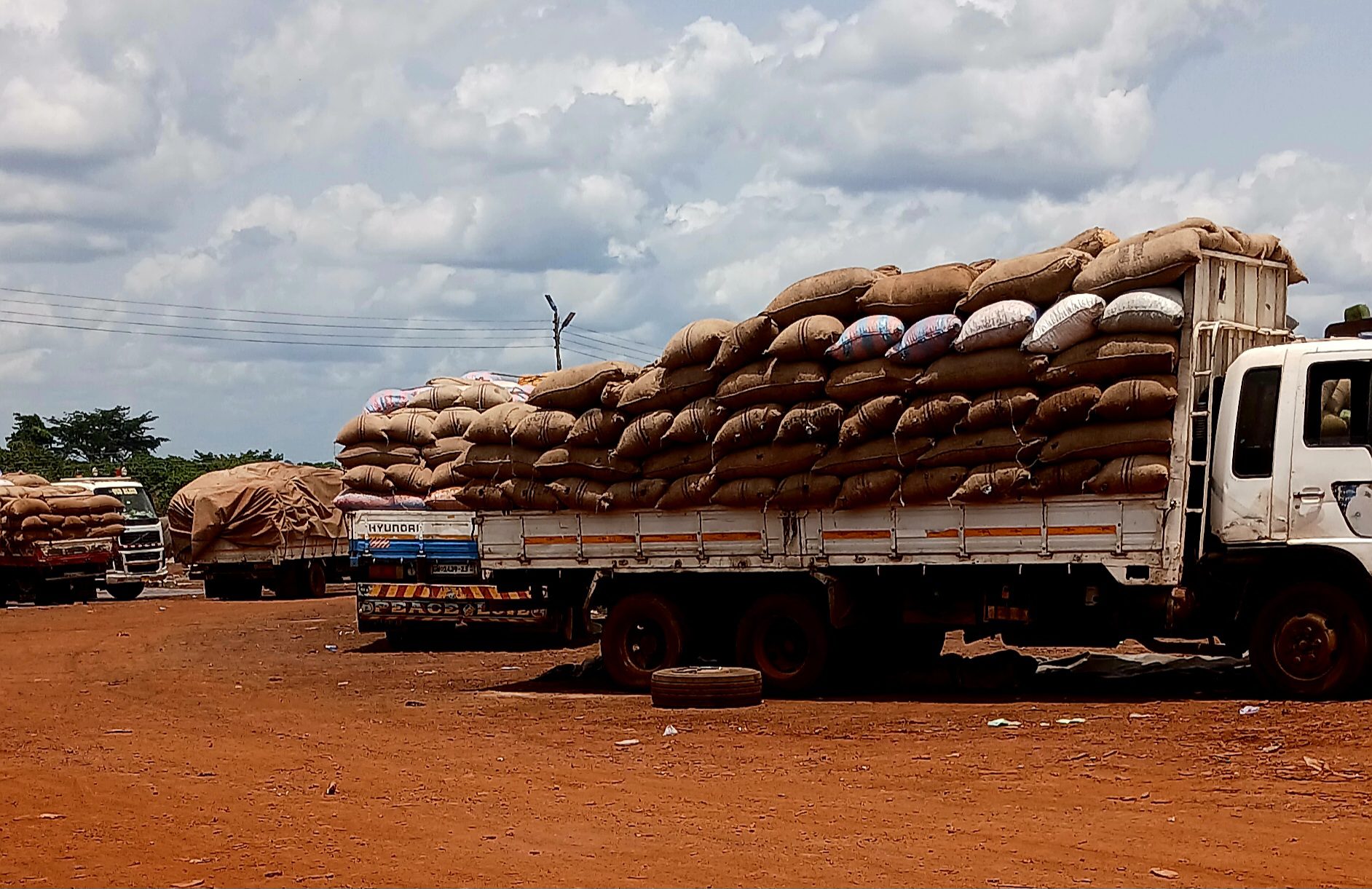
Why Rural Transport Systems Matter for Farmers
Agriculture is often discussed in terms of crop production, improved seeds, or farm inputs. Yet one of the most critical components of agricultural systems—particularly for smallholder farmers—is transportation. Without reliable transport systems, even productive farms can struggle to access markets and generate income.
Across many rural communities, farmers face significant challenges moving their produce from farms to local markets or aggregation points. Poor road infrastructure, limited availability of transport services, and high transport costs can significantly reduce the profitability of farming activities.
Transport as a Link Between Production and Markets
Transportation plays a central role in connecting farmers to markets. When crops are harvested, they must be moved quickly to buyers or storage facilities to maintain quality and avoid losses. Efficient transport systems therefore reduce post-harvest losses and enable farmers to reach more competitive markets.
Research by the Food and Agriculture Organization (FAO) highlights that improving rural infrastructure and transport services is essential for strengthening agricultural value chains and supporting smallholder farmers’ access to markets.
Source: https://www.fao.org
Where transport systems are weak, farmers often rely on intermediaries who purchase produce directly at the farm gate, frequently at lower prices. In such situations, farmers have limited bargaining power and may not capture the full value of their produce.
The Role of Rural Transport Operators
In many agricultural communities, informal transport systems play an important role in supporting farming activities. Motorcycle operators, small truck drivers, and local transport entrepreneurs help move crops from farms to collection centers and local markets.
These transport services create a critical bridge between agricultural production and market access. At the same time, they provide livelihood opportunities for rural youth and small-scale entrepreneurs who operate transport services during harvest periods.
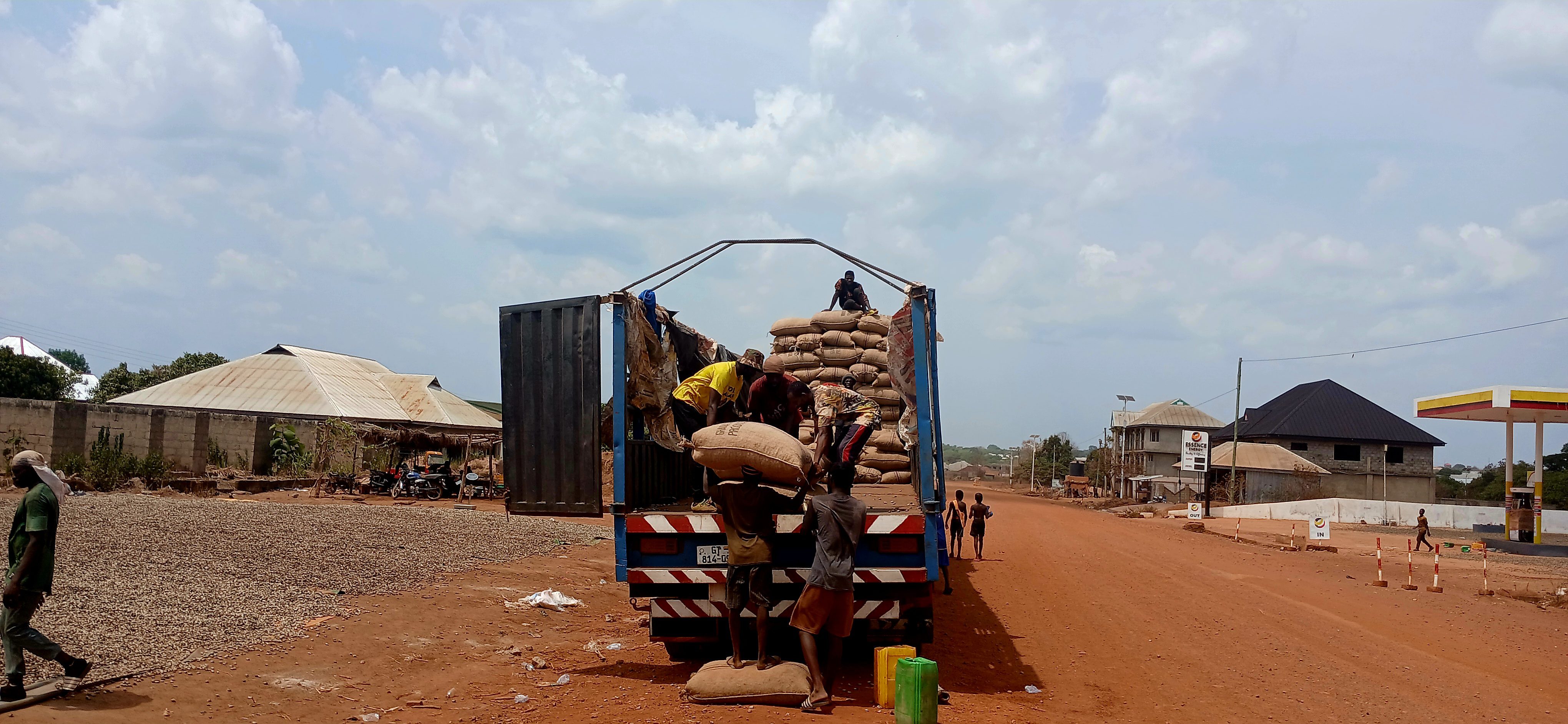
Strengthening Rural Transport Systems
Development programs increasingly recognize the importance of strengthening rural logistics systems as part of agricultural development. Supporting aggregation points, improving road access, and facilitating local transport services can significantly enhance the efficiency of agricultural value chains.
When farmers have reliable access to transport services, they are able to:
- reach larger markets
- negotiate better prices
- reduce post-harvest losses
- increase overall farm income
Implications for Agricultural Development
For agricultural programs to succeed, investments must go beyond farm-level productivity. Strengthening the broader ecosystem—including transport and logistics systems—is essential for creating resilient agricultural markets.
Programs that integrate farmer training, market access strategies, and local logistics support can help rural communities build stronger agricultural economies.