Agricultural transformation in rural communities is often discussed in terms of large-scale investments, advanced technologies, and complex systems. While these are important, field realities continue to demonstrate that meaningful change can also begin with simple, practical interventions.
In many smallholder farming communities, productivity and livelihoods are constrained not only by access to markets or finance, but by the absence of basic tools and equipment required for efficient and safe farming.
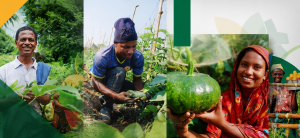
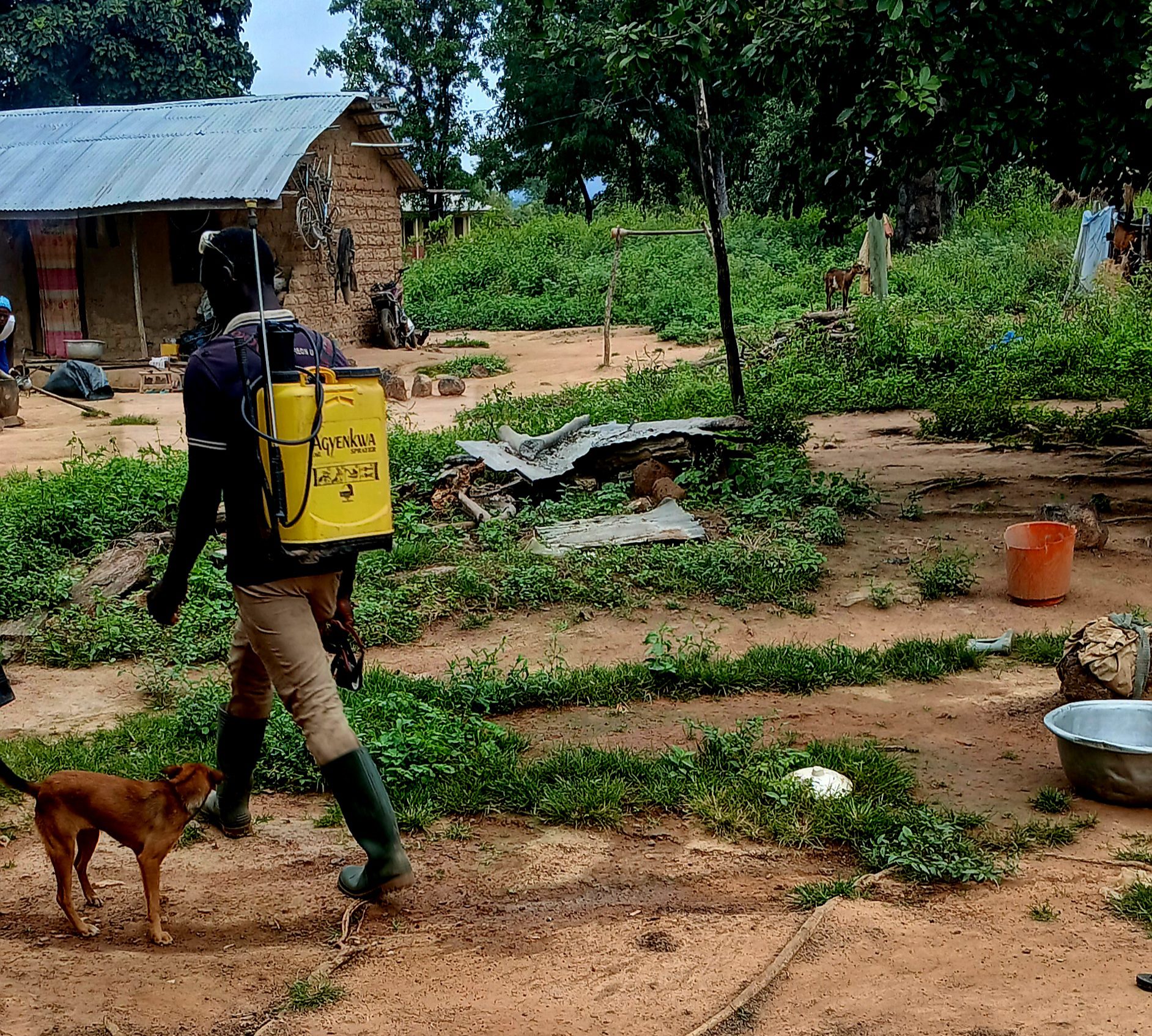
As part of its ongoing work under the FAHAP program, GetCare Foundation recently supported 100 smallholder farmers across 5 communities in the Bono Region of Ghana with essential farming inputs, including knapsack sprayers, Wellington boots, and other basic equipment.
Two months after this intervention, early observations from the field point to important shifts.
Farmers are now able to apply inputs more effectively, improving crop management and reducing waste. Tasks that were previously labor-intensive and time-consuming are becoming more manageable. The use of protective gear such as Wellington boots is also contributing to safer working conditions, particularly in environments where farmers are exposed to chemicals, waterlogged fields, and rough terrain.
Beyond the technical improvements, there is a noticeable change in farmer confidence and engagement. Desmond, one of the farmers supported through this initiative, reflects a broader pattern observed across participating communities. With access to the right tools, farmers are not only working more efficiently, but are also beginning to see farming as a more viable and structured economic activity.
These observations reinforce an important lesson: agricultural development does not always require complex solutions at the outset. In many cases, targeted, practical support—delivered at the right time—can unlock immediate improvements while laying the foundation for more advanced interventions.
For GetCare Foundation, this approach is central to building resilient rural economies. By strengthening productivity at the farm level, improving working conditions, and enabling gradual transition into structured value chains, such interventions contribute to broader goals of food security, income stability, and inclusive economic growth.
As these early results continue to evolve, they also provide a strong basis for scaling similar models across other communities.