Greener Energy for Greener Farms: How Solar Power Is Transforming Rural Agriculture
Across many rural communities in Ghana, nightfall used to signal the end of all activity. In places like Kintampo, farmers wrapped up their day early due to unreliable electricity, and critical farming operations—irrigation, drying, storage—were constrained by high fuel costs and frequent shortages. Today, however, the soft hum of solar-powered systems signals a new era. Renewable energy is quietly reshaping how smallholder farmers work, produce, and thrive.
Solar Power: A Climate-Smart Solution for Rural Farmers
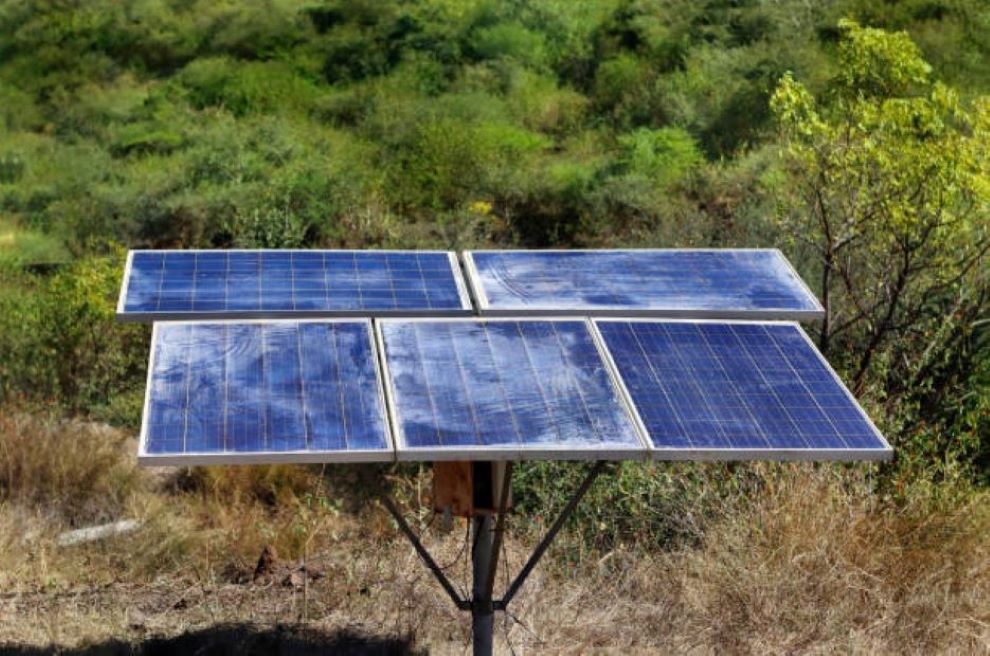
Through GetCare Foundation’s climate-smart agriculture and energy-access initiatives, smallholder farmers are increasingly adopting solar technologies for their daily operations. Solar irrigation pumps are enabling year-round vegetable production—cabbage, pepper, tomatoes—even during the harshest parts of the dry season. For farmers who previously relied on expensive diesel pumps, the shift to solar has eliminated fuel costs and reduced exposure to fluctuating market prices.
This transition aligns with broader findings across Sub-Saharan Africa. According to the International Renewable Energy Agency (IRENA), solar irrigation can reduce farmers’ irrigation costs by up to 80%, while increasing yields by 20–30% in water-stressed areas. FAO also reports that solar-powered water systems can significantly cut greenhouse gas emissions associated with small-scale farming.
Voices from the Field: Freedom Through Clean Energy
Michael Antwi, a GetCare Foundation field officer in Kintampo, witnesses the transformation every day.
“Solar is giving farmers freedom. They don’t worry about fuel shortages or high costs. They can water their crops regularly and harvest more, while also contributing to reducing carbon emissions.”
One such farmer is Yaa Serwaa, who previously lost up to half of her pepper harvest during the dry season because she could not afford fuel for irrigation. Today, her small solar pump keeps her fields green all year. Her income is now consistent across seasons—a powerful boost for rural household stability.
“Solar is giving farmers freedom. They don’t worry about fuel shortages or high costs. They can water their crops regularly and harvest more, while also contributing to reducing carbon emissions.”
One such farmer is Yaa Serwaa, who previously lost up to half of her pepper harvest during the dry season because she could not afford fuel for irrigation. Today, her small solar pump keeps her fields green all year. Her income is now consistent across seasons—a powerful boost for rural household stability.
Beyond Irrigation: Solar for Post-Harvest and Household Resilience
The benefits extend past the farm. Solar-powered grain dryers and storage units now help farmers preserve more maize and soybeans, significantly cutting post-harvest losses. This is critical in Ghana, where the Ministry of Food and Agriculture estimates post-harvest losses for staples to reach 20–30% annually.
Solar lanterns and home systems are also improving quality of life. Families reduce spending on kerosene, children study after sunset, and households benefit from cleaner indoor air—aligned with WHO findings that traditional fuels contribute significantly to respiratory illness in rural areas.
Nature-Friendly Productivity
The shift to solar energy strengthens climate resilience and aligns with the region’s low-carbon development goals. By replacing fossil fuel–powered equipment, farmers reduce emissions, restore air quality, and adopt farming systems that are both productive and environmentally responsible.
Solar technology demonstrates an important truth: agriculture can grow without harming the planet. Clean energy is not merely an add-on—it is central to building resilient food systems and sustainable rural livelihoods.
GetCare Foundation’s Vision: Powering Sustainable Futures
For GetCare Foundation, promoting solar technology goes beyond distributing equipment. It is about:
- Expanding access to renewable energy in farming communities
- Reducing carbon footprints across agricultural value chains
- Strengthening productivity in climate-vulnerable farming areas
- Ensuring that rural families benefit from affordable, reliable, and clean power
By empowering farmers with solar solutions, GetCare Foundation is enabling greener farms—and ultimately, greener futures—for communities across Ghana.