Across Ghana and much of West Africa, conversations about farm profitability often begin and end with yield. Yet a growing body of evidence shows that competitiveness in today’s markets is shaped not only by how much farmers produce, but how they produce it. As global demand for safe, nutritious, and sustainably grown foods rises, organic agriculture is quickly becoming one of the most valuable pathways for farmer income growth.
According to FAO (2023), the global organic food market is expanding at an annual rate of 8–10%, driven by consumers who are increasingly concerned about chemical residues, environmental degradation, and long-term health impacts. This trend is reflected in Ghana as well, where local markets are showing a clear preference for chemical-free produce.
Organic Farming as a Value Driver — Lessons from FAHAP Farmers
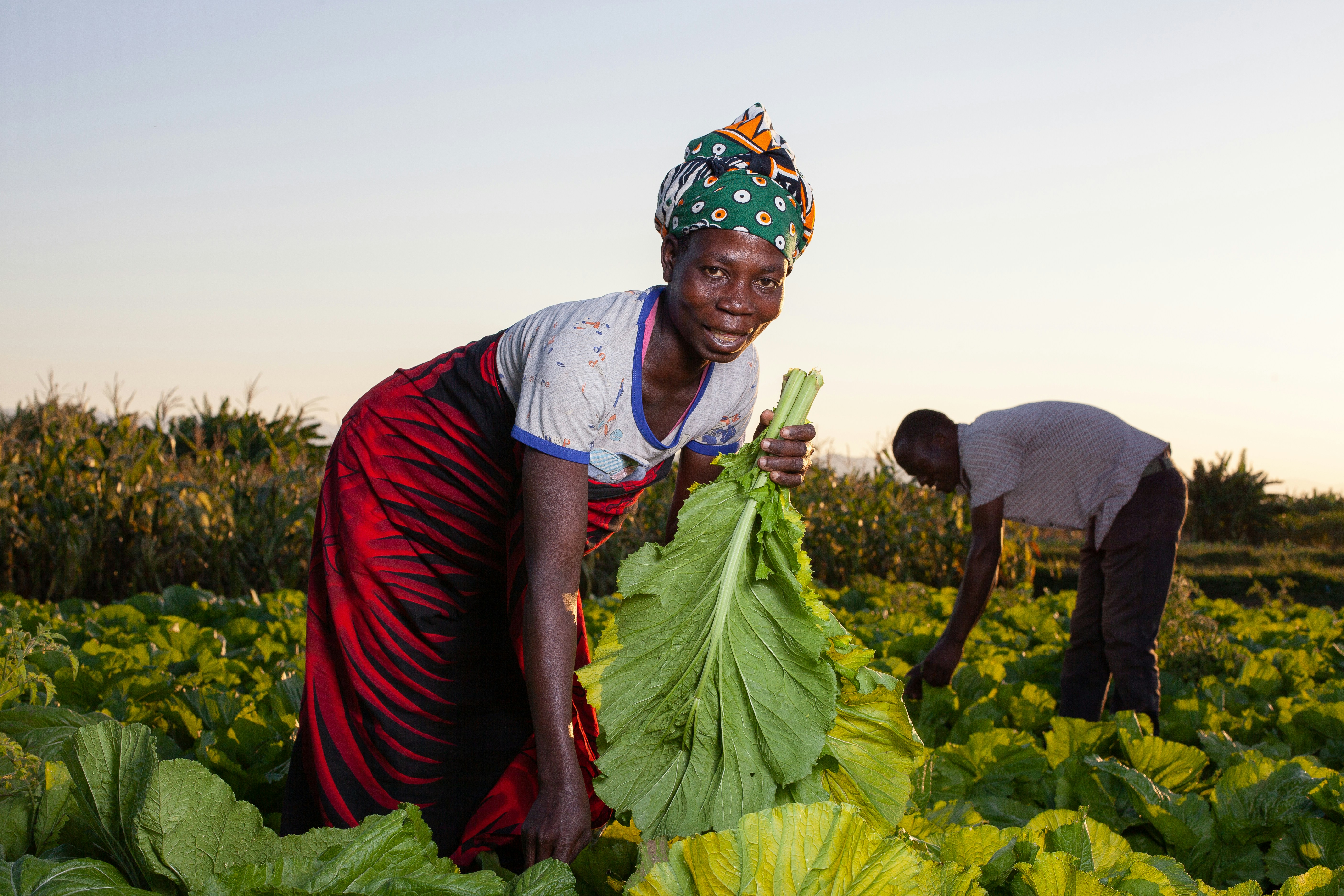
Through GetCare Foundation’s training programs under the FAHAP initiative, smallholder farmers are discovering that organic production creates financial opportunities that conventional systems often fail to deliver.
At the Techiman market, farmer Yaw Antwi shared how the transition transformed his earnings:
“The traders know my maize has no chemicals. They pay a little extra because customers prefer it. I sell faster and make more profit than before.”
Yaw’s case is representative of a broader shift. Organic farmers under FAHAP report faster sales, improved market trust, and reduced production costs due to the use of compost, botanical extracts, and diversified cropping systems.
“The traders know my maize has no chemicals. They pay a little extra because customers prefer it. I sell faster and make more profit than before.”
Yaw’s case is representative of a broader shift. Organic farmers under FAHAP report faster sales, improved market trust, and reduced production costs due to the use of compost, botanical extracts, and diversified cropping systems.
Premium Prices in International Markets
Globally, premiums for certified organic commodities range from 15% to 40% above conventional prices (IFOAM, 2022). Ghanaian crops—especially organic soybeans, cashew, cocoa, vegetables, and mangoes—are in high demand among European and Asian buyers seeking supply chains with stronger environmental and social safeguards.
For many GetCare-supported farmers, these markets are no longer out of reach. With training in composting, natural pest management, intercropping, and low-carbon practices, they are building farm systems that meet emerging global standards while reducing dependency on costly inorganic inputs.
Beyond Profit: A More Sustainable Food System
The benefits of going organic extend far beyond market gains:
- Safer food for consumers with reduced chemical residues
- Improved soil fertility through natural amendments and microbial restoration
- Reduced greenhouse gas emissions and improved carbon sequestration
- Healthier farming communities, especially women and youth who handle farm inputs
- Resilient ecosystems, particularly in areas threatened by chemical-intensive monocropping
These outcomes align with Ghana’s agricultural development priorities and contribute to long-term food system sustainability.
Conclusion
With the right training, support systems, and market linkages, organic farming is proving to be more than just an agronomic practice—it is a strategic livelihood pathway. Across GetCare Foundation programs, farmers are demonstrating that producing safe, healthy, and sustainable crops is not only good for the environment, but also a smart economic decision.
Organic farming is helping Ghanaian farmers build trust, earn more, and connect to expanding markets—both at home and abroad. It is not only growing food; it is growing futures.