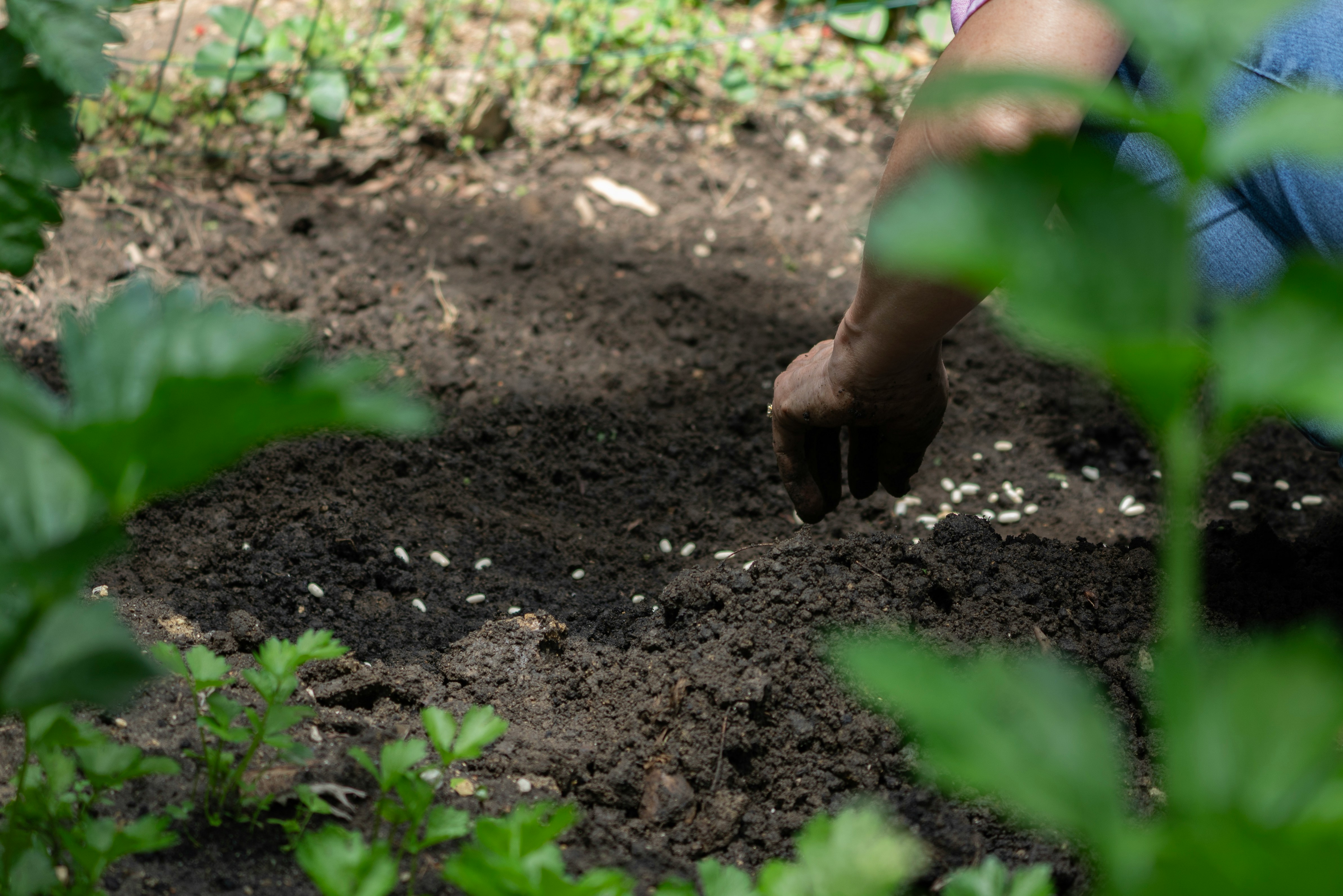
Healthy soils are the foundation of productive agriculture, yet many farmers continue to plant without knowing the true condition of their soils. This guesswork often results in low yields, nutrient deficiencies, poor crop performance, and unnecessary input costs. Prioritizing soil testing is one of the most effective and affordable steps farmers can take to improve productivity and long-term soil health.
At GetCare Foundation, our extension officers regularly find that many farmlands suffer from nutrient depletion caused by continuous cropping, bush burning, and improper fertilizer use. Soil testing provides farmers with accurate information on soil pH, organic matter, nitrogen, phosphorus, potassium, and micronutrient levels—enabling them to apply the right fertilizers, at the right rate, and at the right time.
In the Atebubu-Amantin area, farmers participating in the GetCare advisory program have seen notable improvements in yields after adopting soil testing. One maize farmer, Madam Akosua Nyarko, noted:
“I used to apply fertilizer the same way every year, but my yields kept dropping. After the soil test, the officer showed me what my soil lacked. I changed my approach, and this year my maize is healthier than ever.”
With proper soil data, farmers can avoid over-application of fertilizers, reduce input costs, and minimize environmental degradation caused by nutrient runoff. This aligns strongly with GetCare Foundation’s commitment to sustainability, low-carbon farming, and soil regeneration.
“I used to apply fertilizer the same way every year, but my yields kept dropping. After the soil test, the officer showed me what my soil lacked. I changed my approach, and this year my maize is healthier than ever.”
With proper soil data, farmers can avoid over-application of fertilizers, reduce input costs, and minimize environmental degradation caused by nutrient runoff. This aligns strongly with GetCare Foundation’s commitment to sustainability, low-carbon farming, and soil regeneration.
Soil testing also helps farmers select the right crops for their land. For example, soy performs well in slightly acidic soils rich in organic matter, while cashew thrives in well-drained sandy soils. Tailoring crop choices to soil conditions improves both profitability and climate resilience.
As part of the GetCare Foundation’s Sustainable Food Systems Program, we continue to support farmers with:
- On-field soil sampling and testing coordination
- Interpretation of soil test reports
- Soil amendment recommendations
- Training on organic matter restoration (composting, cover crops, mulching)
- Long-term soil regeneration strategies
By prioritizing soil testing, farmers build healthier soils, increase yields, reduce waste, and promote environmentally responsible farming practices. Healthy soils mean healthy harvests, stronger incomes, and more resilient communities.
Soil testing is not just a technical activity — it is a powerful lever for sustainable agricultural transformation.